-
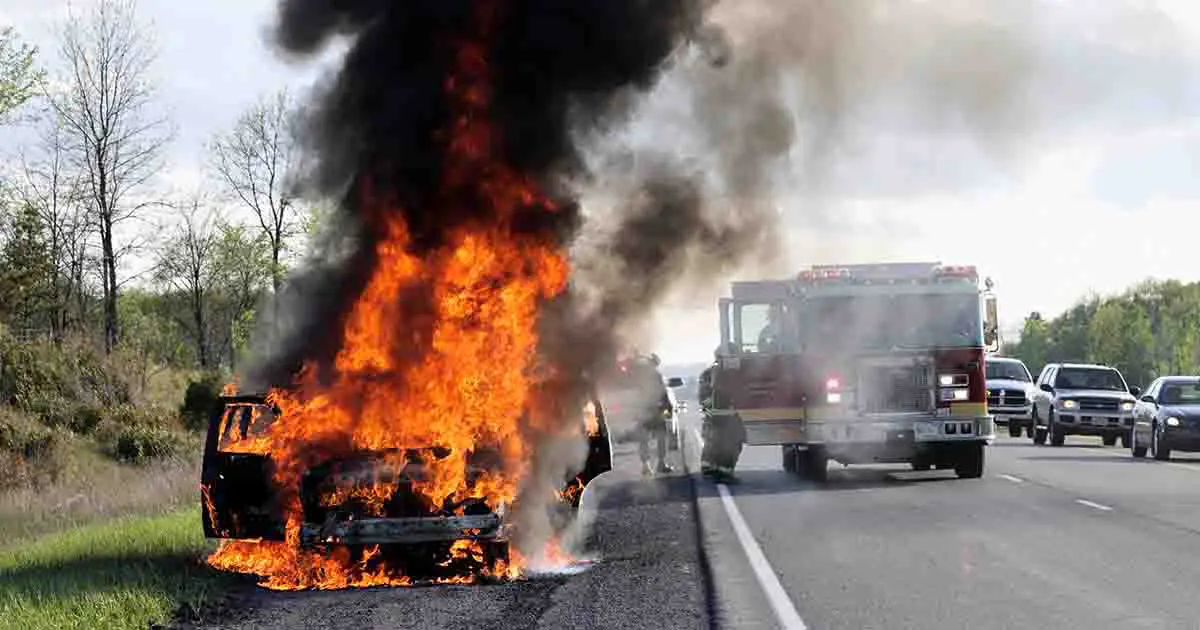
The unique dangers presented by lithium-ion battery fires require firefighters to adapt their established methods. Learn how one department has changed their techniques to battle these fires.
-
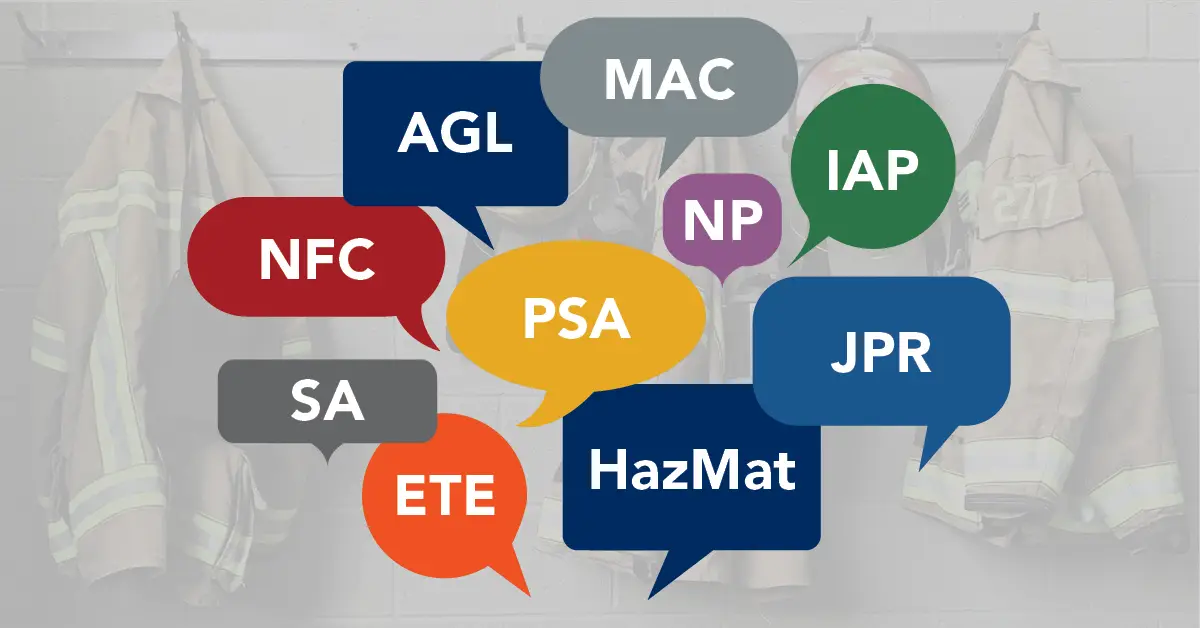
As seasoned fire service professionals know, there are many acronyms and abbreviations used in all aspects of a fire career. To help your students in the field, we have put together a list of 100+ fire service acronyms that can be referenced as they begin to navigate the complex terminology used in the fire service.
-
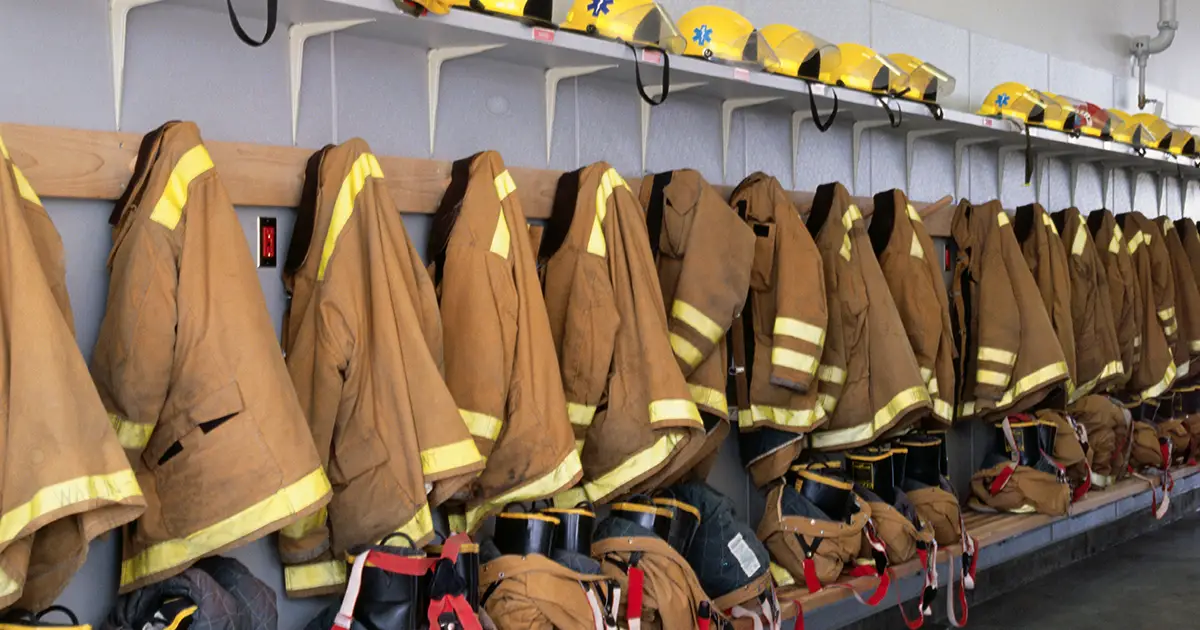
Crew resource management enhances decision making and communication among crews. How can leaders overcome obstacles and successfully implement CRM in the fire service?
-

Long hospital wait times are a problem around the country. Bob Elling discusses the need for improved efficiency and collaboration between EMS and ERs to address these challenges.
-

Exsanguination remains the leading cause of preventable deaths among victims of trauma, with nearly half of those patients dying in the prehospital setting. How can EMS training improve these patient outcomes?
-
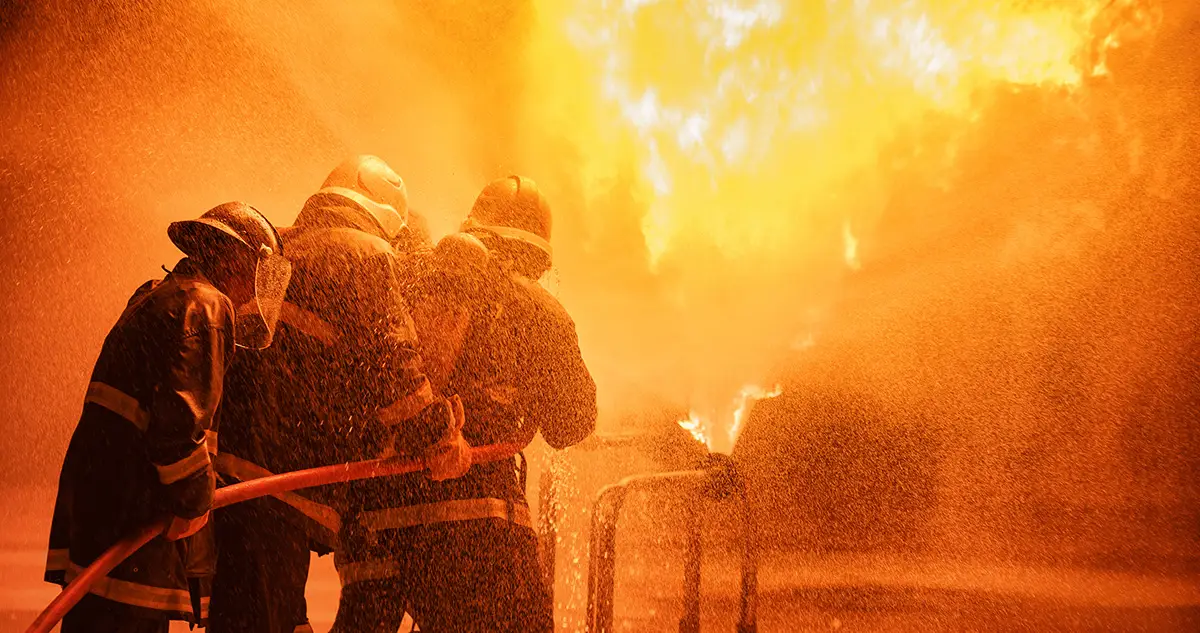
Here are the most important lessons, tips and tricks to convey to firefighter students heading into the field today.
-
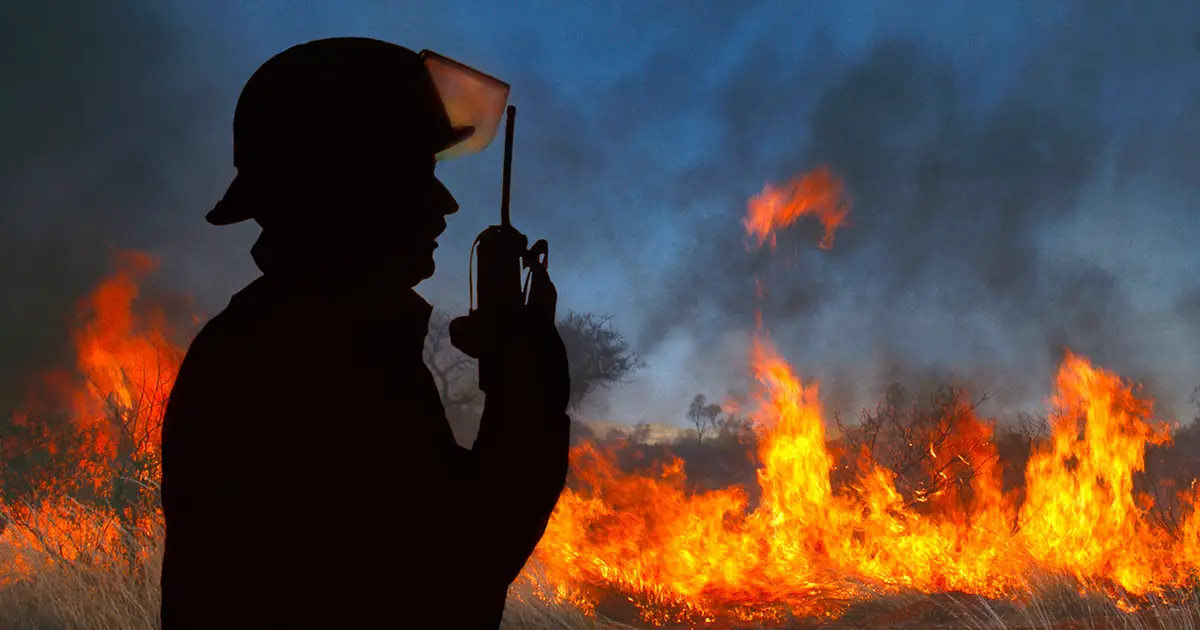
Wildfire season used to be somewhat predictable. Those days are over. Learn how firefighters should be training for a season that no longer has a predictable end.
-

As we start to enter fall, it's critical to teach EMTs and paramedics how to respond to an increase in flu, COVID-19, RSV, and other respiratory emergencies.
-

Battling fatigue is a serious issue with EMS workers. There is some evidence now suggesting that good education can reduce fatigue-related incidents.
-

First responders often experience mental health issues at higher rates than the general public. Learn approaches to help students in your cohort prepare in advance and seek help when they need it.