-

The premier paramedic education program’s latest edition contains updated imagery, inclusive text, and more.
-
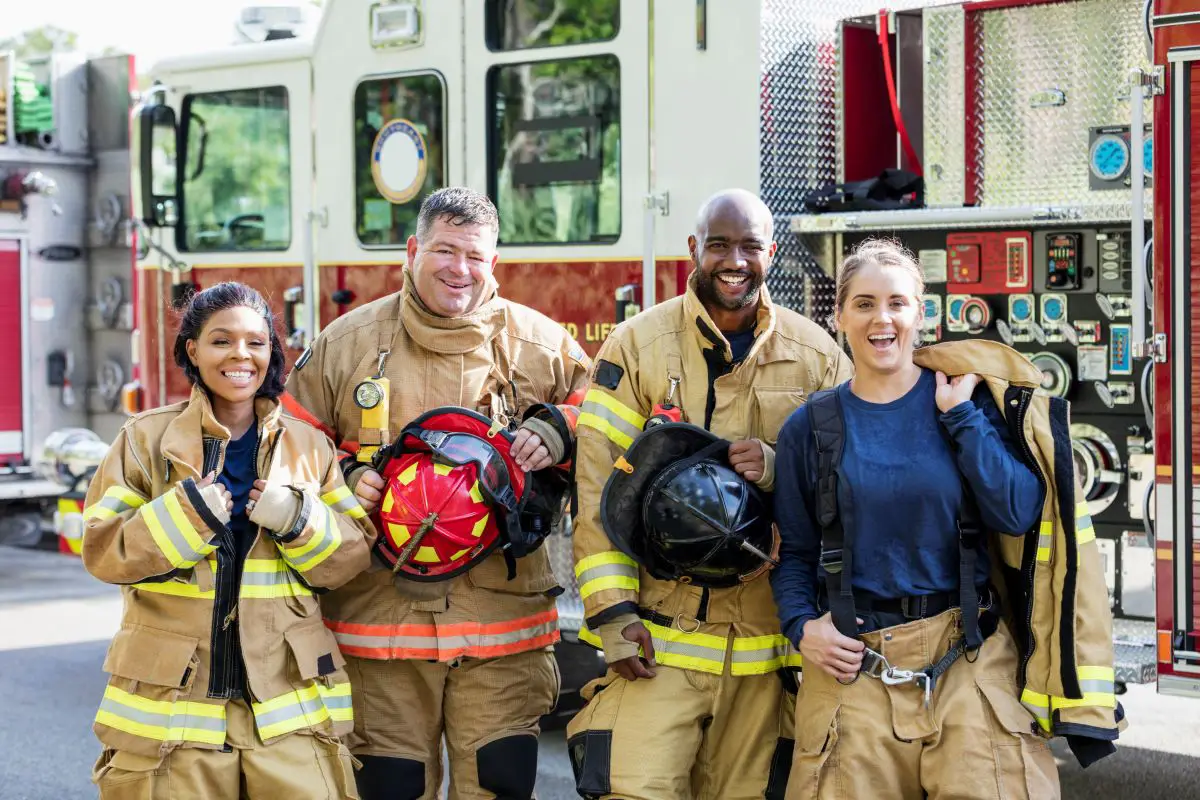
From staffing challenges to focusing on mental health, these are five key ways fire instruction is changing.
-
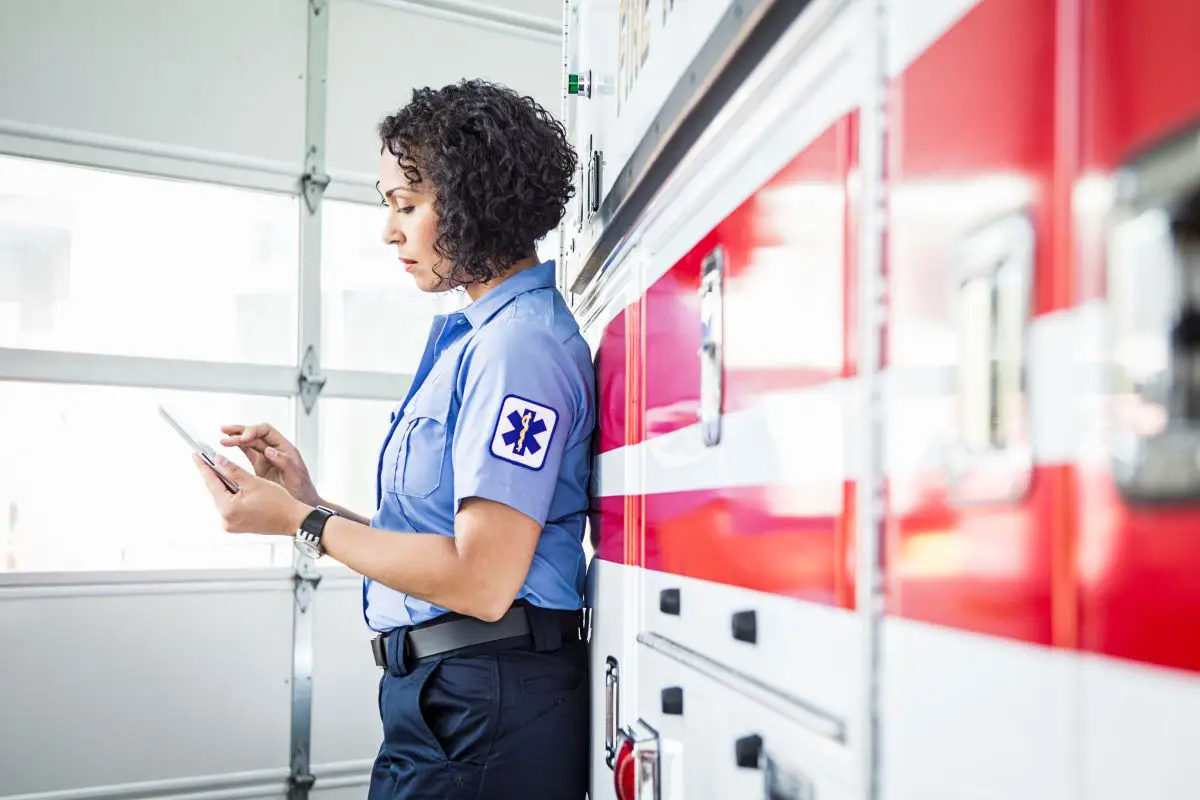
The results of a recent study on EMS worker stress reveals the need for more intervention. Fortunately, instructors can leverage these new educational tools.
-

The field of critical care is changing quickly, and it's important to stay updated. Catch up on the latest trends in critical care and critical care concepts in the industry affecting health care providers and medical professionals alike, all of which are addressed and found in the latest Third Edition of Critical Care Transport.
-
-
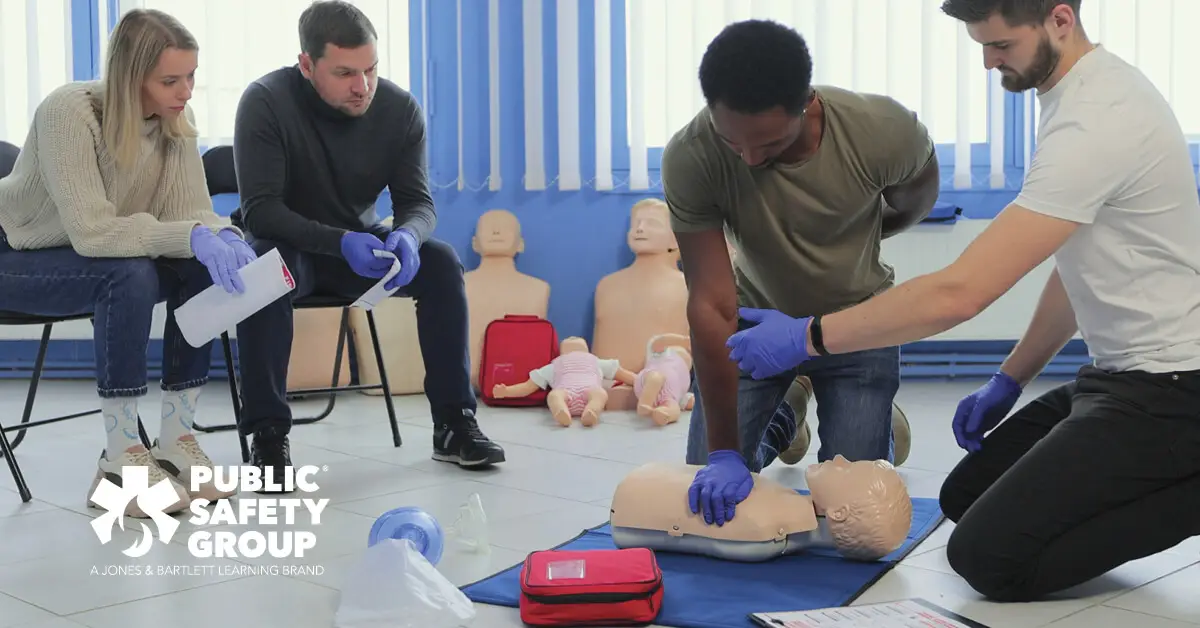
Considering a flipped classroom approach with your students? Dive into how this method prioritizes active learning and why it's expertly designed for ample use of class time and overall student success.
-
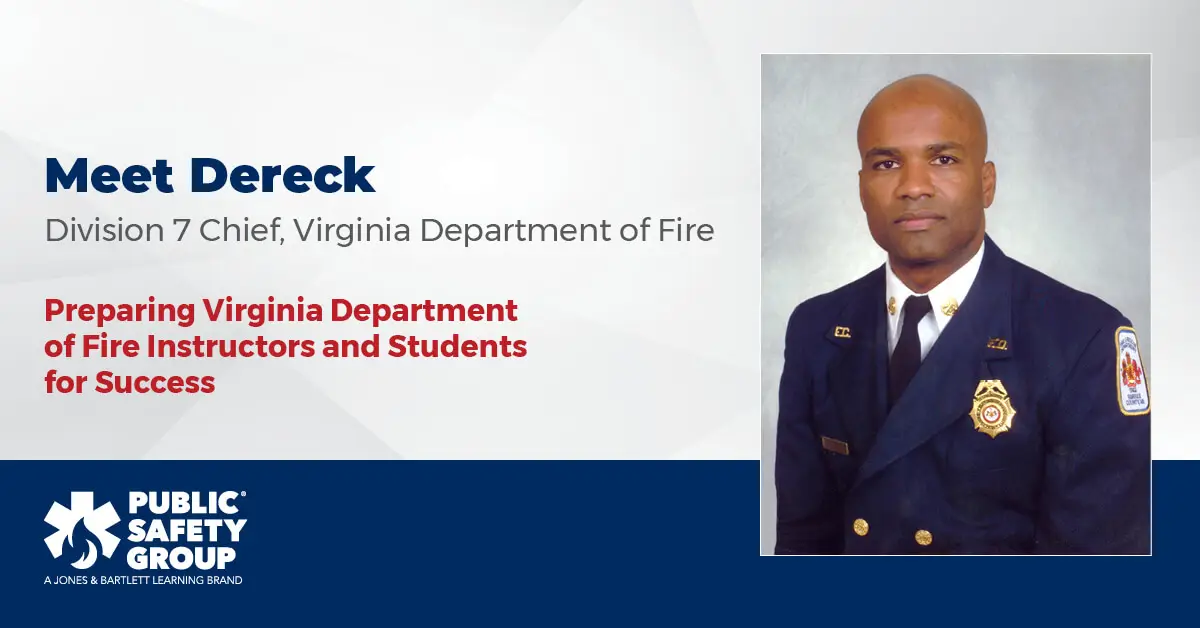
How do you prepare a state's entire fire and rescue training program for success?
Dereck Baker, Division 7 Chief, has found that 98% of students pass their Fire Officer I and II exams using PSG's Fire Officer book and Navigate curriculum, and estimates that 99% of instructors choose to use Navigate because the resources included are very beneficial to students.
-

How do you choose which learning styles to cater to with modern Fire students?
Ken Koerber, Program Director at NIPSTA, finds that Navigate offers a variety of tools and capabilities that foster a personalized learning experience for each student's learning style and individual needs.
-

With this year’s Crash Responder Safety Week upon us, we honor and support all who keep the public roadways safe for travel.
-
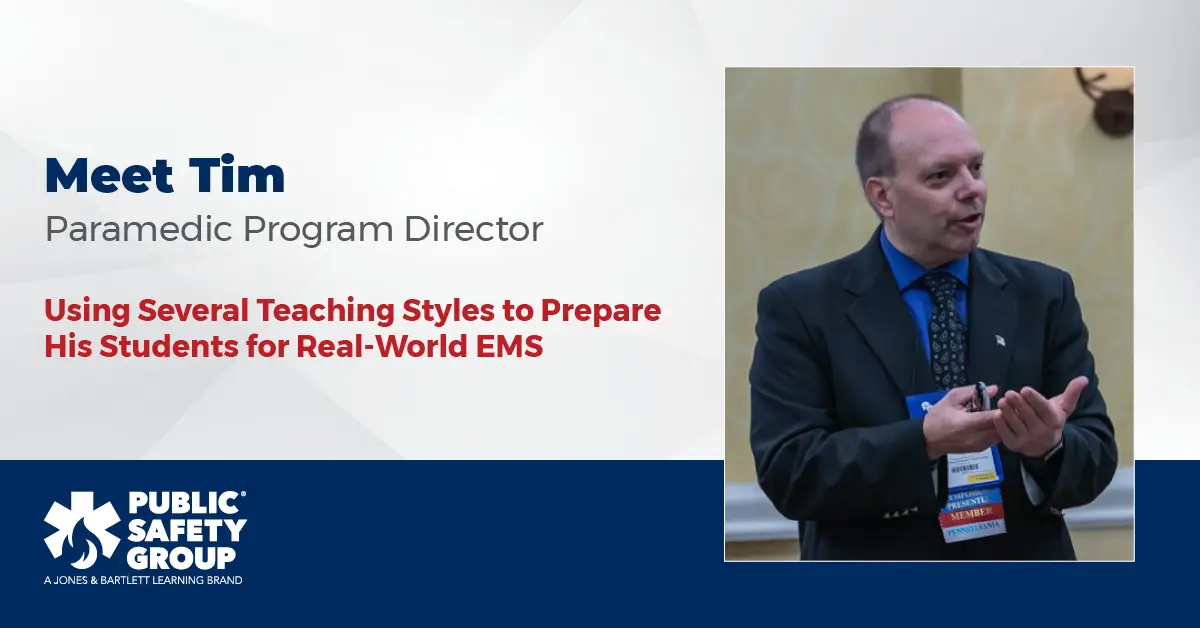
With so much critical information to cover in a paramedic course, how do you ensure your students are prepared for the field? Tim Reitz, longtime Paramedic Program Director, has found that using several different teaching styles and utilizing both a textbook and online resources is the key to a successful teaching and learning experience.