-

Recent findings indicate that lights and siren usage creates a risk not only to the emergency medical professionals but also to the public without providing any lifesaving benefit to the patient.
-
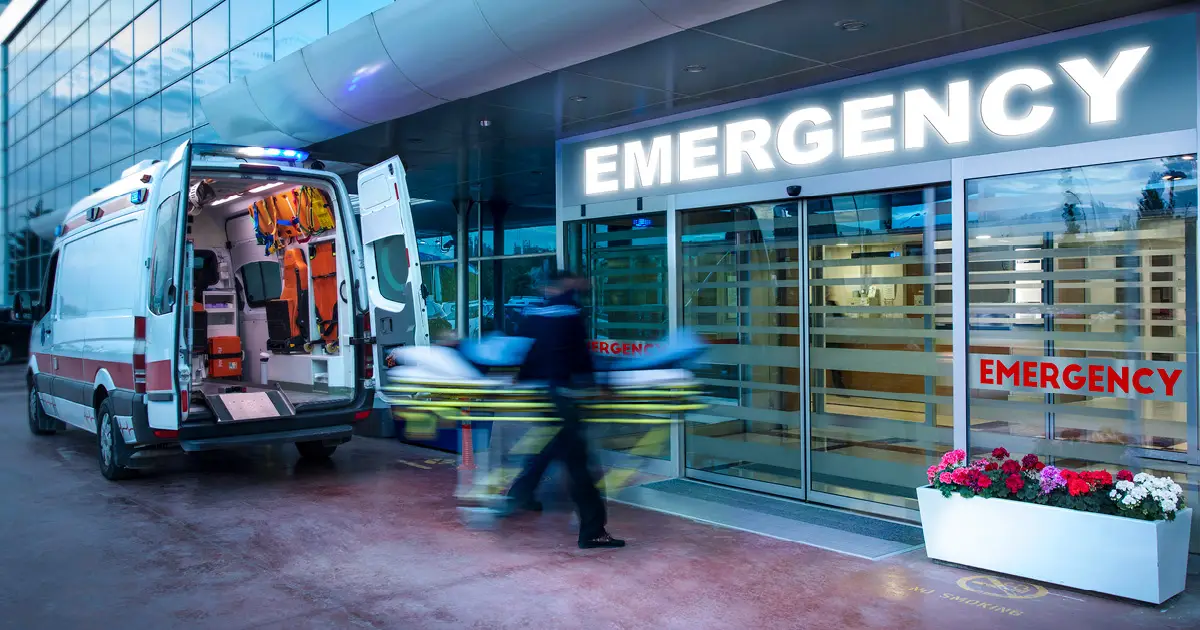
Bob Elling highlights the shift towards technology-assisted EMS care, and recommends some top field guides, apps, and other resources for EMS provers.
-
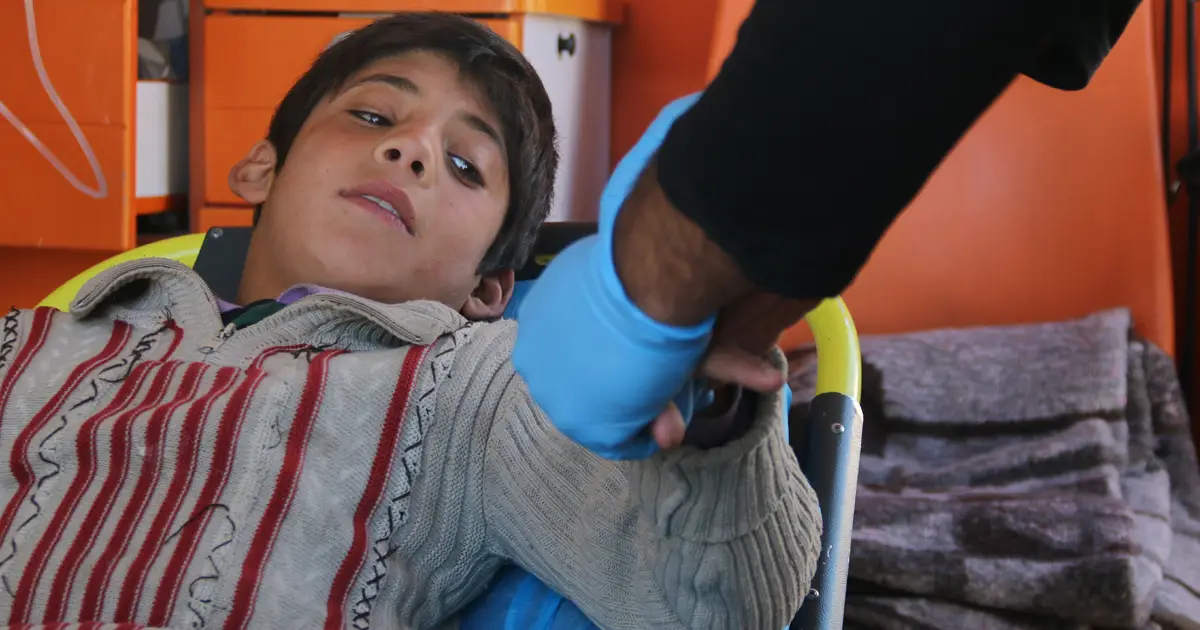
The approach to pediatric pain control has undergone significant changes. Dr. Rudy Kink shares how EMS providers can deliver compassionate care to children.
-
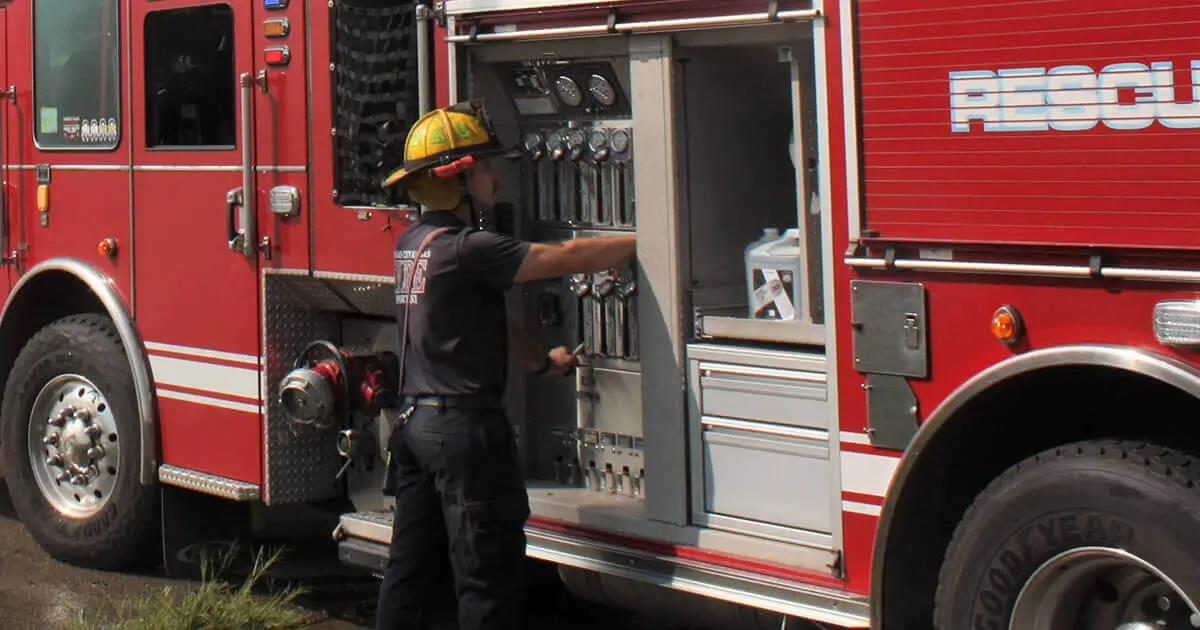
Volunteer firefighters make up 65% of the firefighting force nationwide. How has the role of a volunteer changed, and what does the future hold?
-
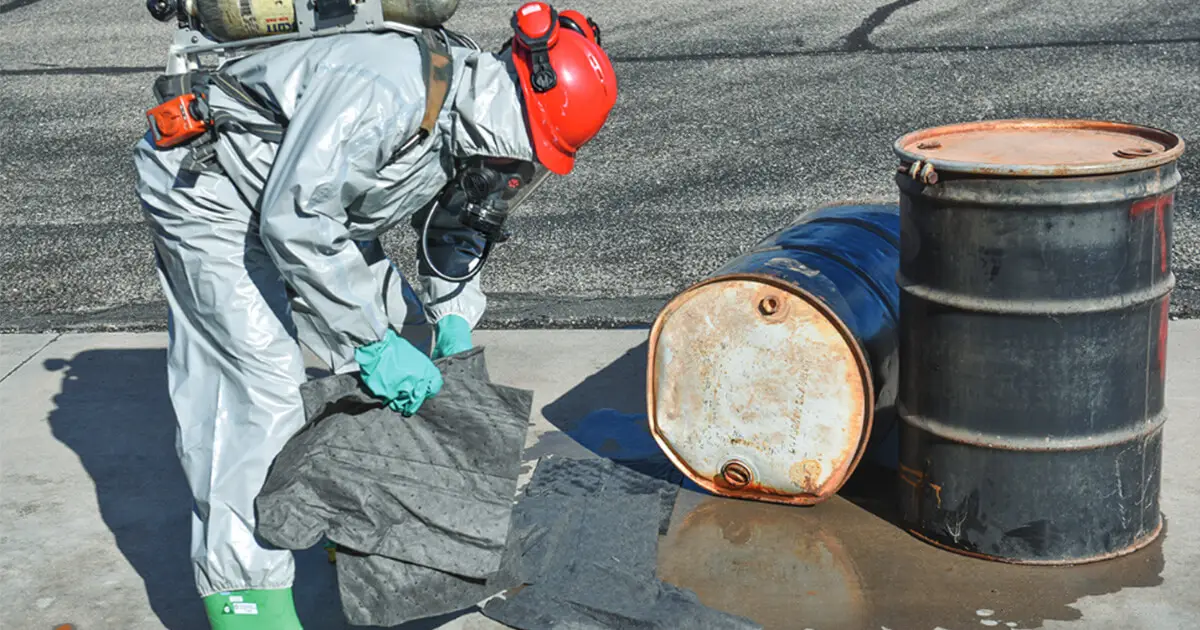
Hazmat training is a critical part of a firefighter's skill set. Rob Schnepp discusses the changing nature of hazmat response, and how to make training more effective.
-

Rick Wiegert shares the challenges of finding the right pediatric training materials in a full curriculum, and how JBL resources solved these problems.
-
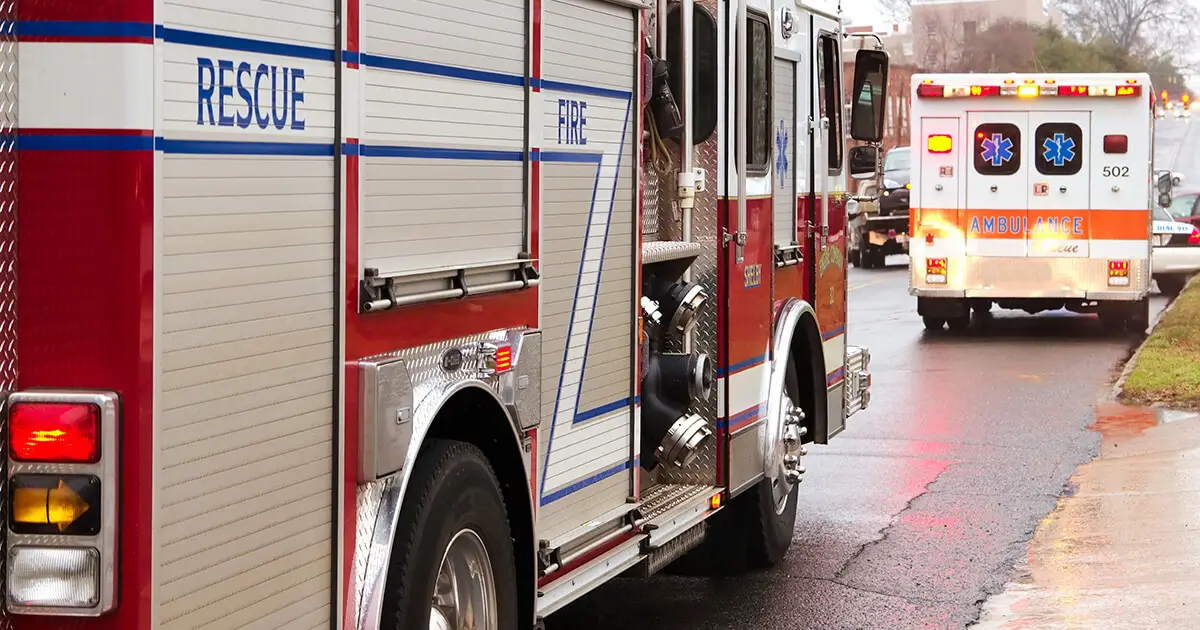
How can EMS successfully work with firefighters at the scene? We look at how different scenarios necessitate different levels of involvement between EMS and firefighters.
-
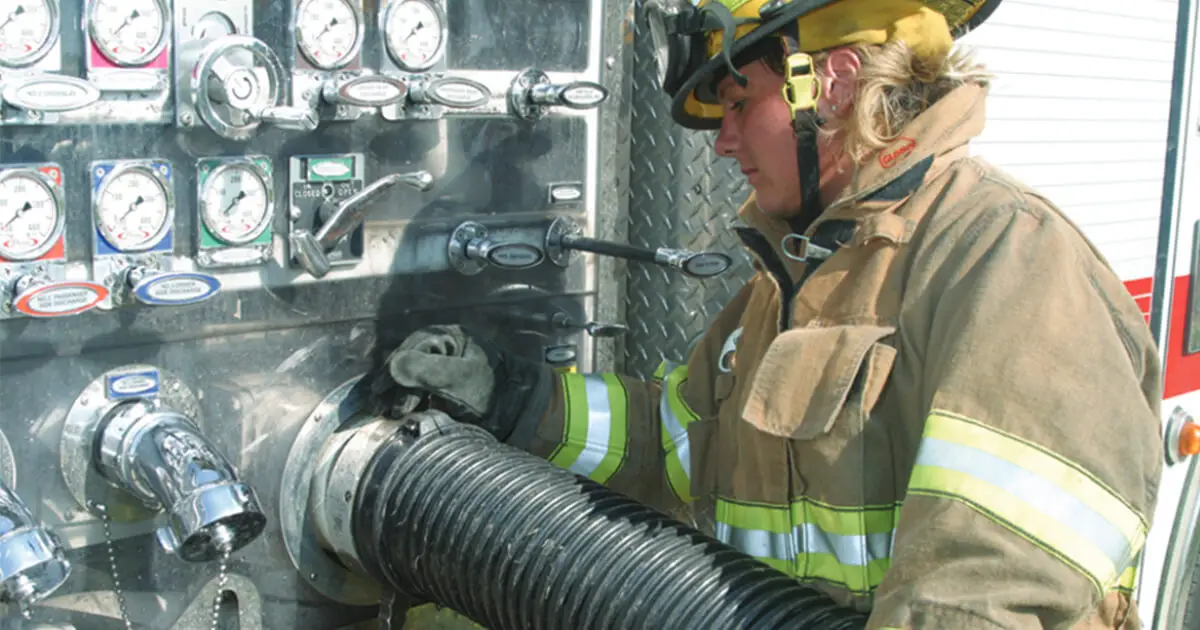
In the dynamic world of firefighting, the role of a driver/operator is a crucial, yet often overlooked one. What has changed in this role over the years, and how can firefighters be better trained for the challenges of today?
-

Jason Marquez, EMT-P, President and CEO, First Response Training Group Orlando, Florida, talks about his experience using the Emergency Care and Transportation of the Sick and Injured, Twelfth Edition and Nancy Caroline’s Emergency Care in the Streets, Ninth Edition, in EMT/EMS training.
-
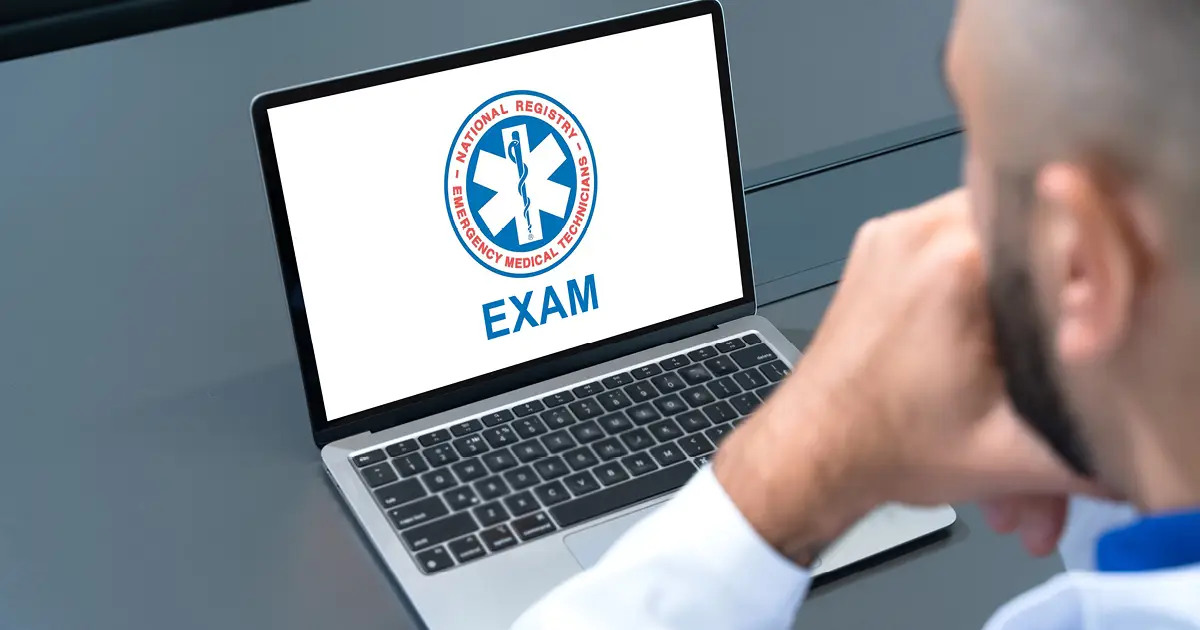
The new NREMT exams for advanced EMTs and paramedics are here. What has changed and how do you prepare effectively? We've got answers and advice from the experts.