-

The importance of first responder training in pediatrics is growing more urgent. Among 1- to 4-year-olds, drowning deaths have increased 28 percent over the past 4 years. The American Academy of Pediatrics developed the PEPP program to prepare responders for pediatric emergencies.
-

If you have yet to respond to a case of carbon monoxide poisoning, you eventually will. Learn some tips on how to teach the signs and symptoms.
-

U.S. Department of Defense EMS instructors discuss how to train EMTs and Paramedics who go on to care for victims on the front lines of a faraway war or handle a situation involving an exploded IED.
-

EMS professionals trained in the right drowning and water incident preventions can play a significant role in a drowning victim’s long-term well-being. Read on to learn more.
-
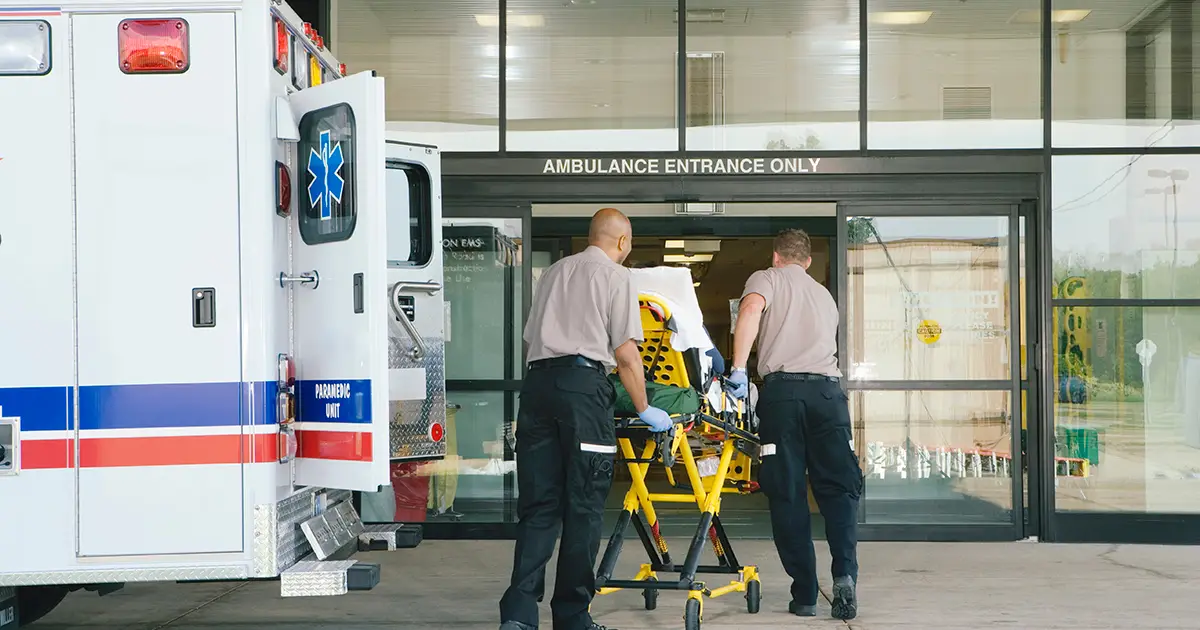
Assessing and treating a sick or injured child is different from assessing and treating an adult. But the best pediatric prehospital training doesn't just teach EMS what to do, it gives them the confidence to respond to any call.
-

It is widely understood that firefighters face challenges in their profession that can impact their mental health. Less understood is the emergence of firehouses creating cultures of support.
-
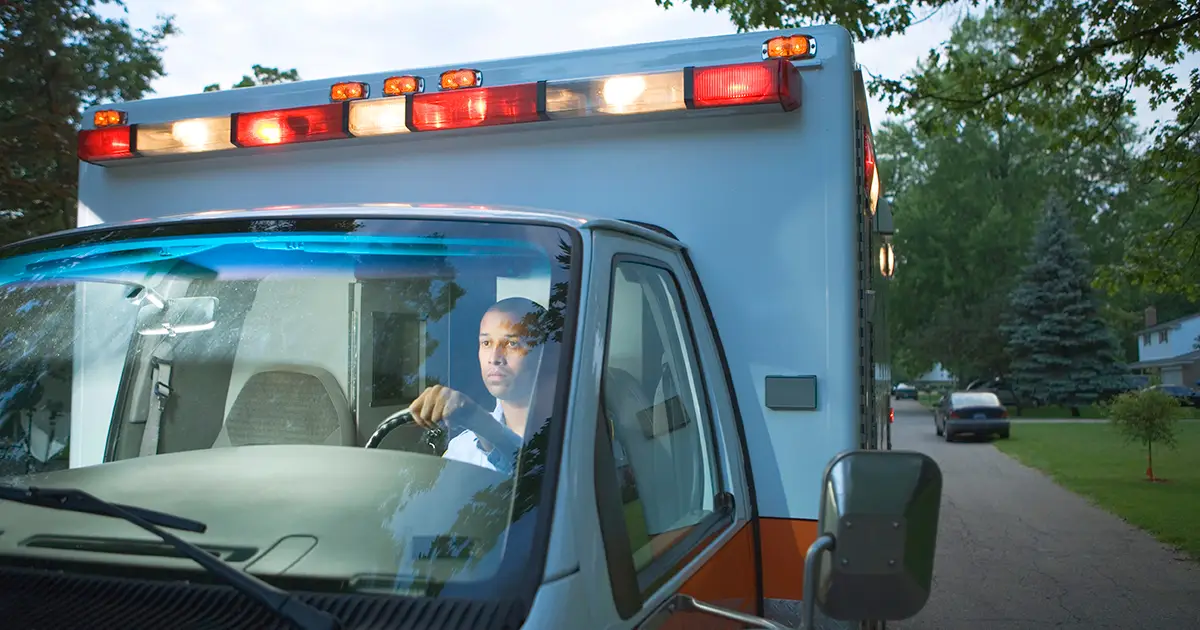
EMS has a critical role to play during a mass shooting incident. Here's how to train and coordinate in advance.
-
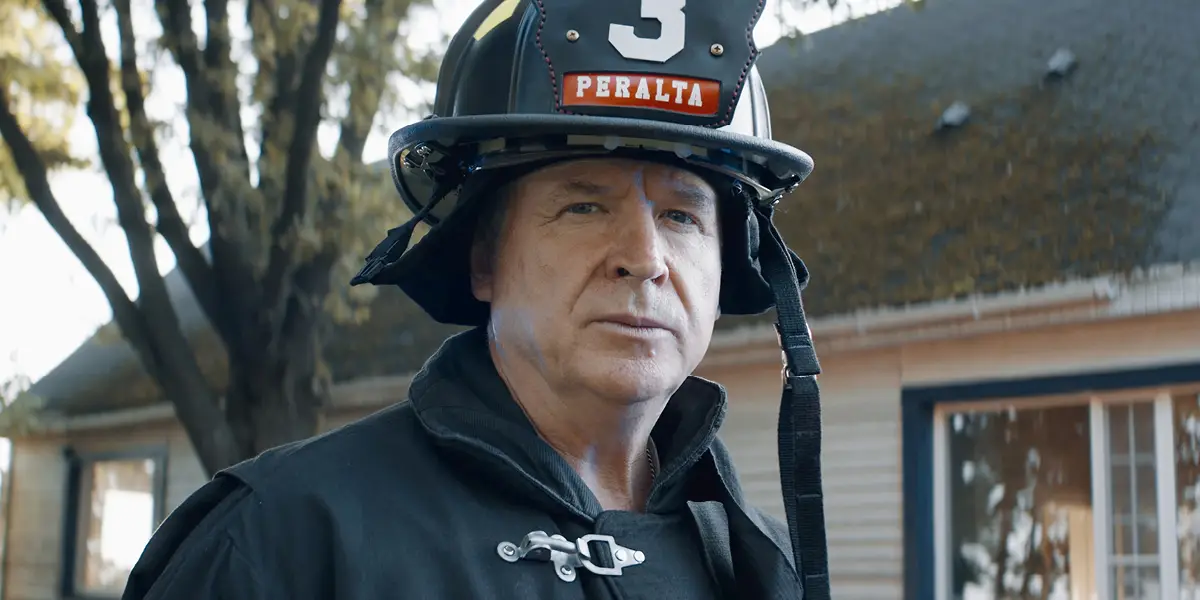
The IARC classified the occupation of firefighting in Group 1, which defines firefighting as “carcinogenic to humans.” Learn how fire departments are working to teach cancer prevention.
-
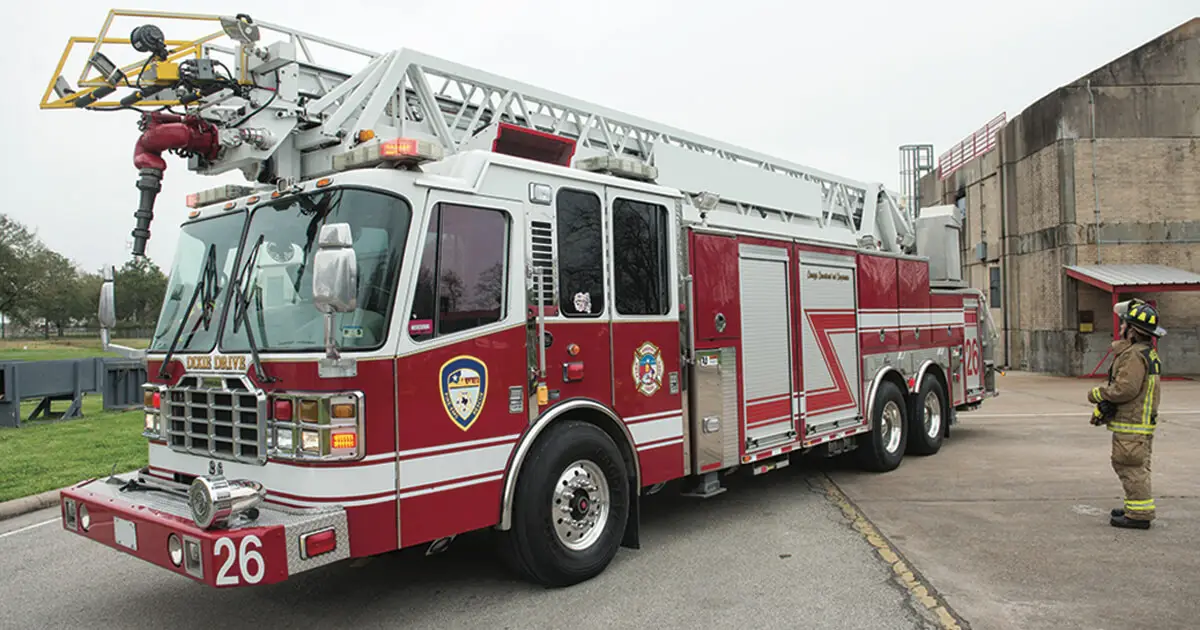
Fundamentals of Firefighter Skills and Hazardous Materials Response, Fifth Edition, provides new content that meets the intent of NFPA 1010, 2024 Edition Standard on Professional Qualifications for Firefighters that includes Chapter 6: Firefighter I (NFPA 1001) and Chapter 7: Firefighter II (NFPA 1001).
-
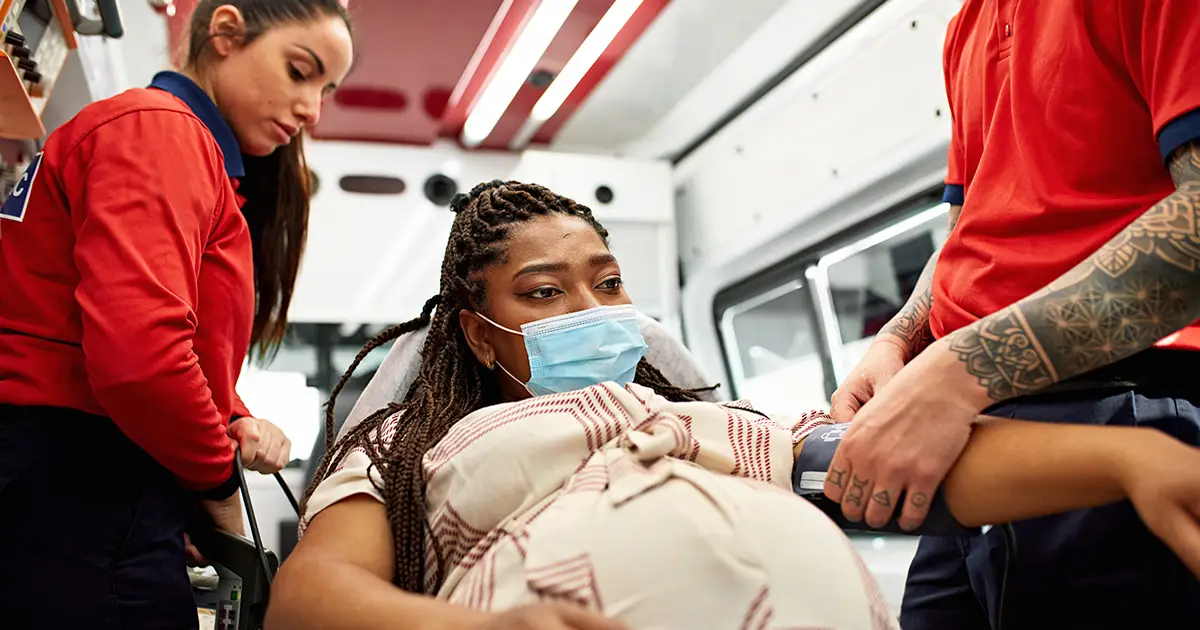
Kim McKenna, PhD, CEN, RN, EMT-P, co-author of Sanders’ Paramedic Textbook, Sixth Edition, discusses how EMS instructors should address disparities in pain management.