-
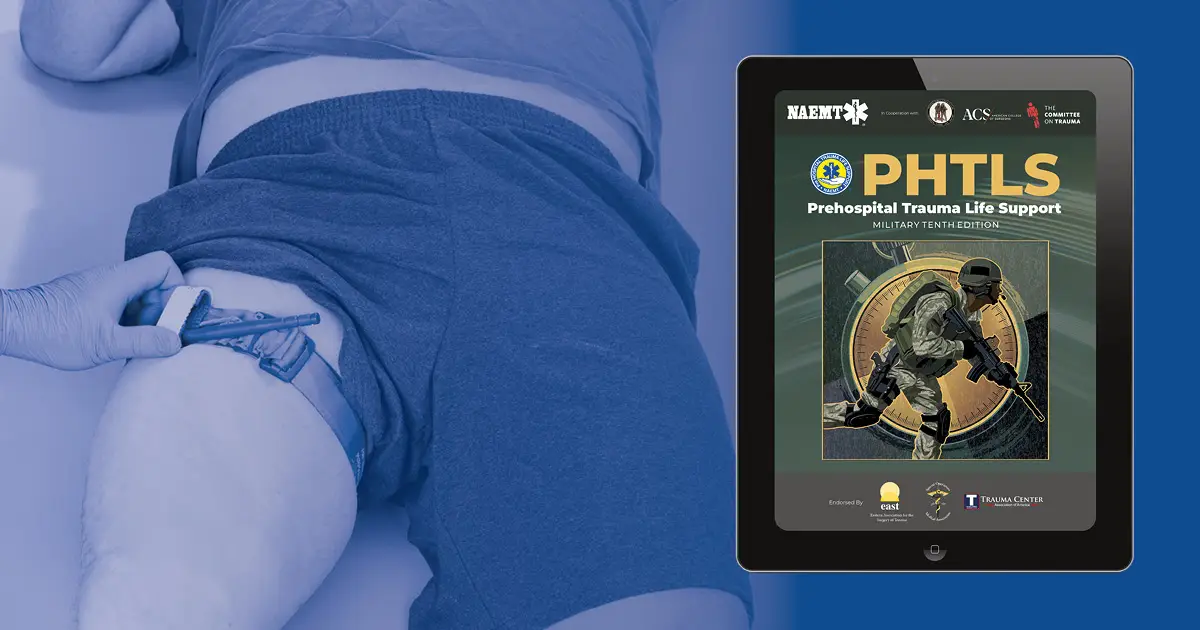
Public Safety Group sat down with Navy Captain (Ret.) Dr. Frank Butler to discuss the development of tourniquet use in casualty resuscitation in military and civilian settings.
-
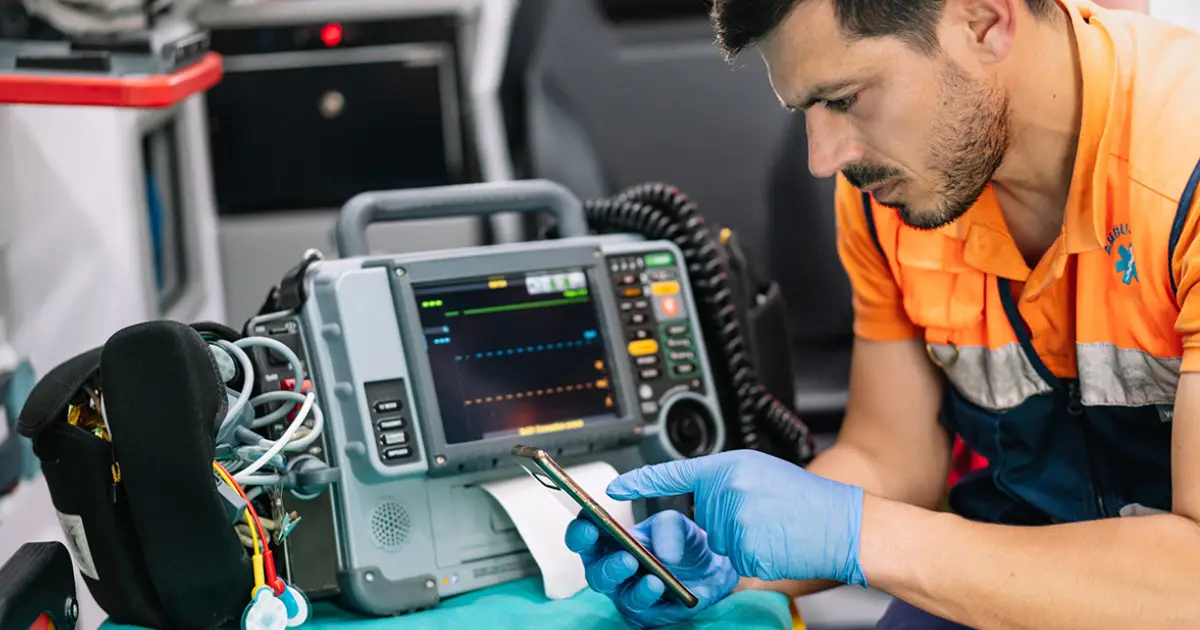
Read on to learn more about the value of improved paramedic training including the strategies and resources instructors are leveraging to do so effectively.
-
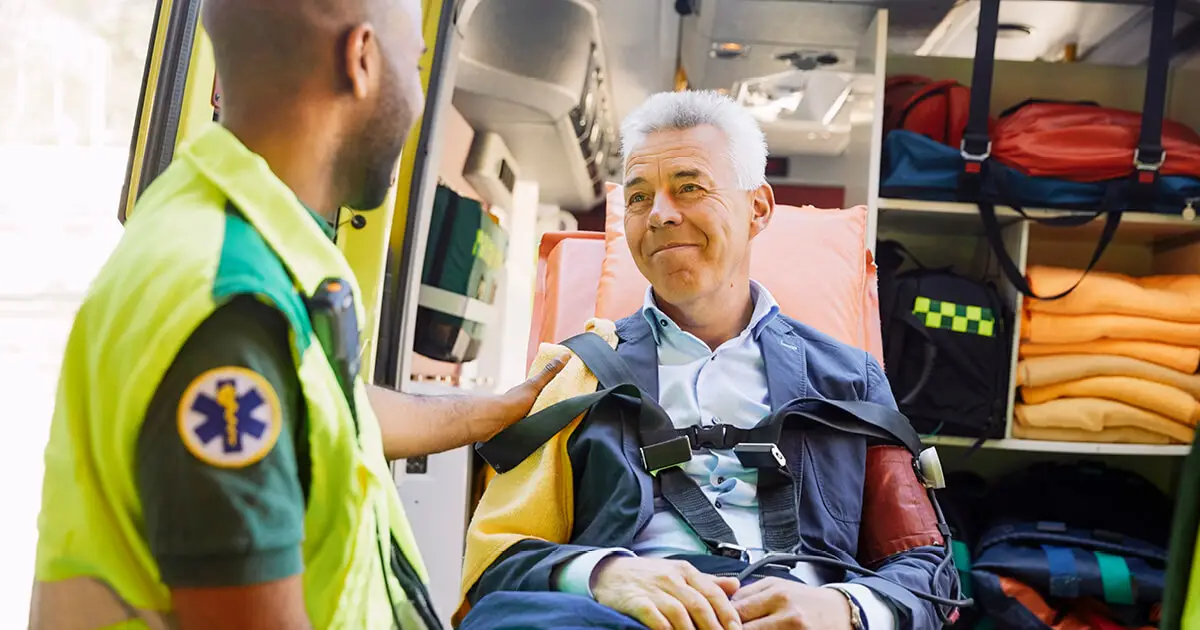
One in 4 Americans between the ages of 18 and 44 with disabilities do not have a designated health care provider. How can first responders and EMS professionals improve prehospital care for these individuals?
-
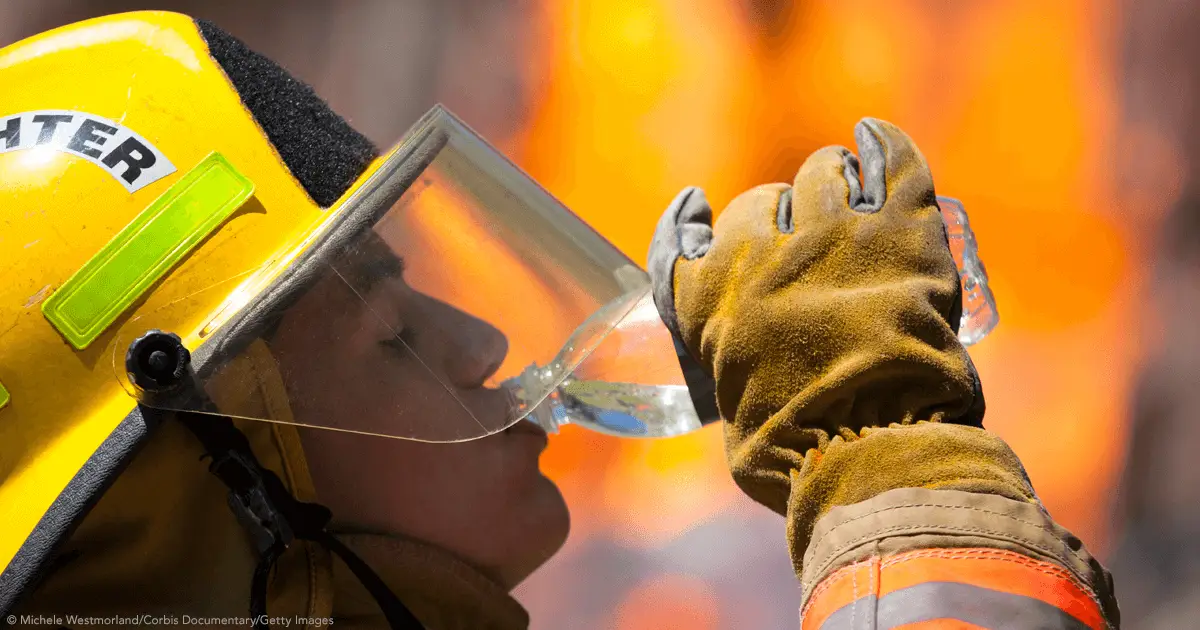
Are your students prepared for a heat wave? Learn how to get your EMS students ready for what will inevitably be a scorching summer season across the country.
-
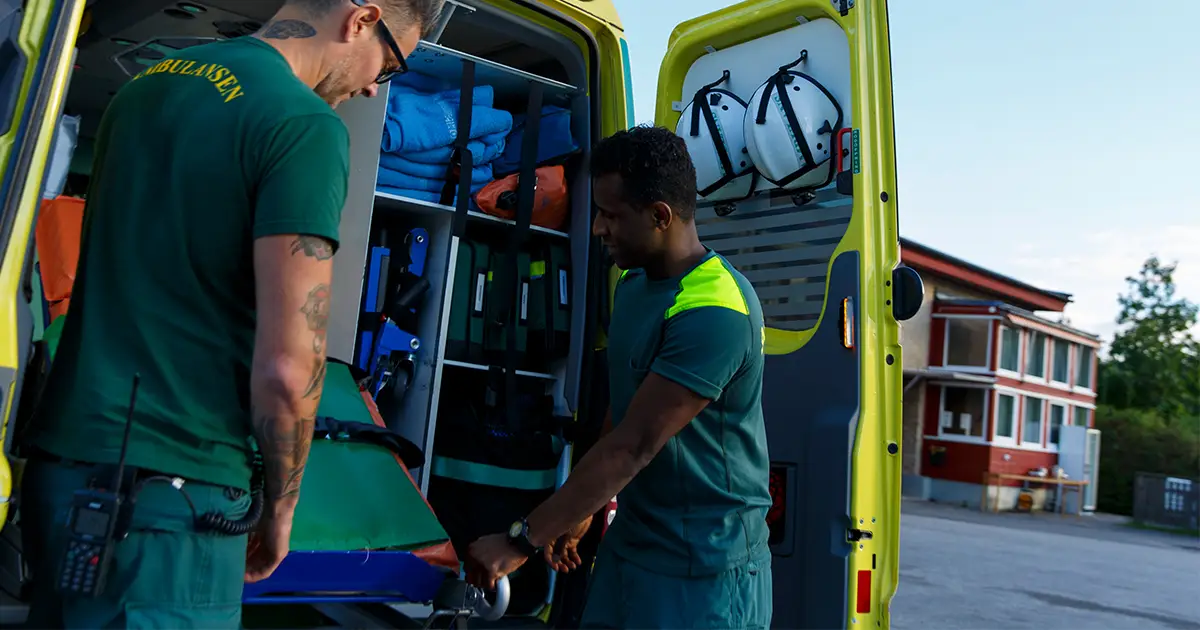
In this Q&A, Lena Sjöholm of the Stockholm County Health District discusses using Pediatric Education for Prehospital Professionals (PEPP), Fourth Edition, to teach lifesaving concepts.
-
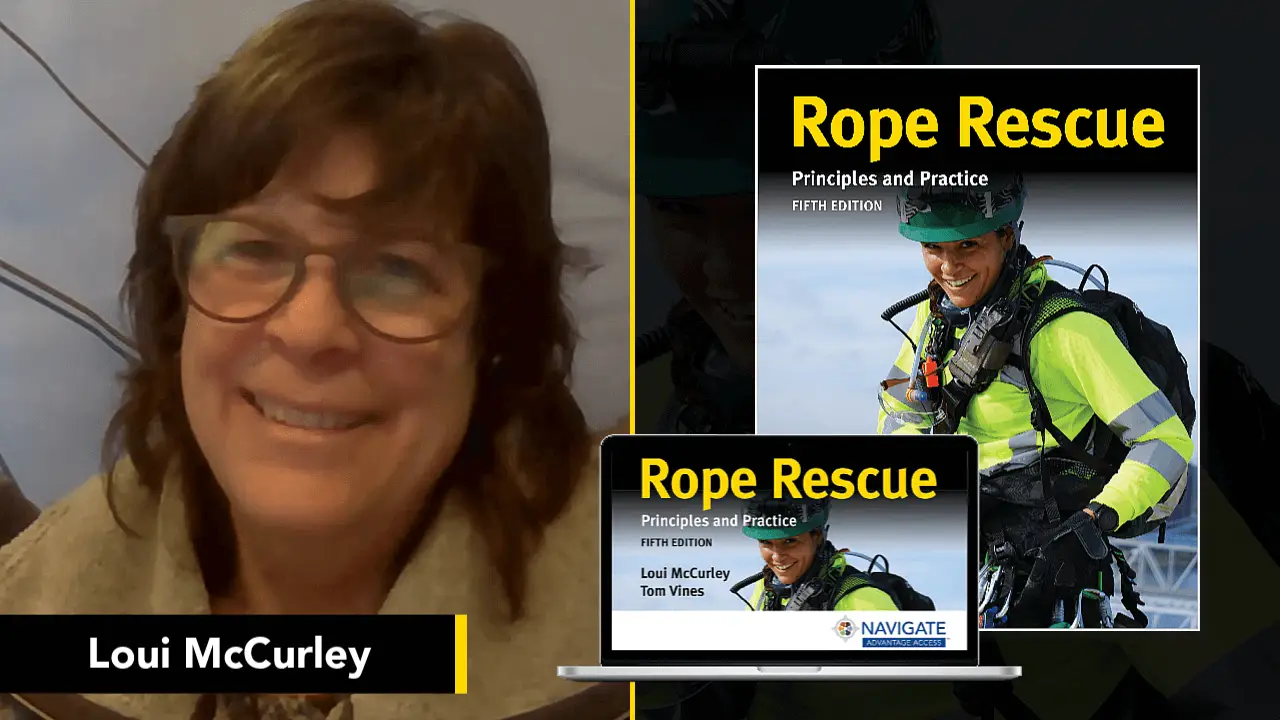
There is high value to teaching rope rescue as fire and rescue experts can’t easily predict the scenes they’ll be called to on any given day.
-
Injuries on the job are unfortunately all too common for EMS. Bob Elling discusses steps you can take to increase safety within your agency.
-
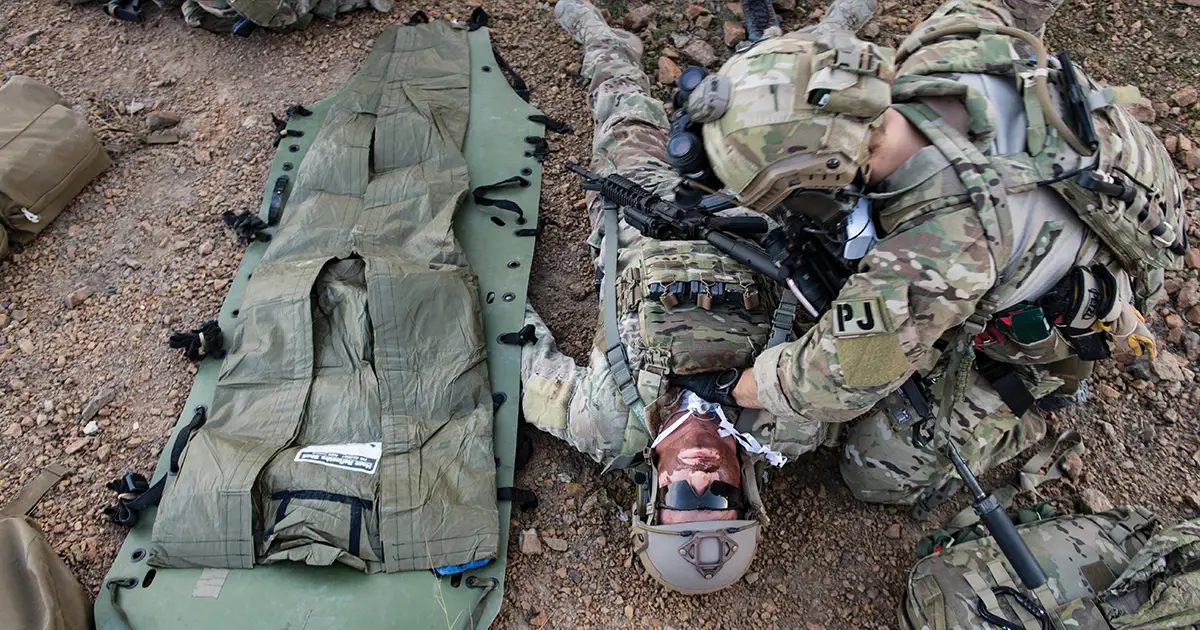
Navy Captain (Ret.) Dr. Frank Butler discusses how military advancements in whole blood resuscitation are paving the way for improved trauma care in civilian EMS settings.
-
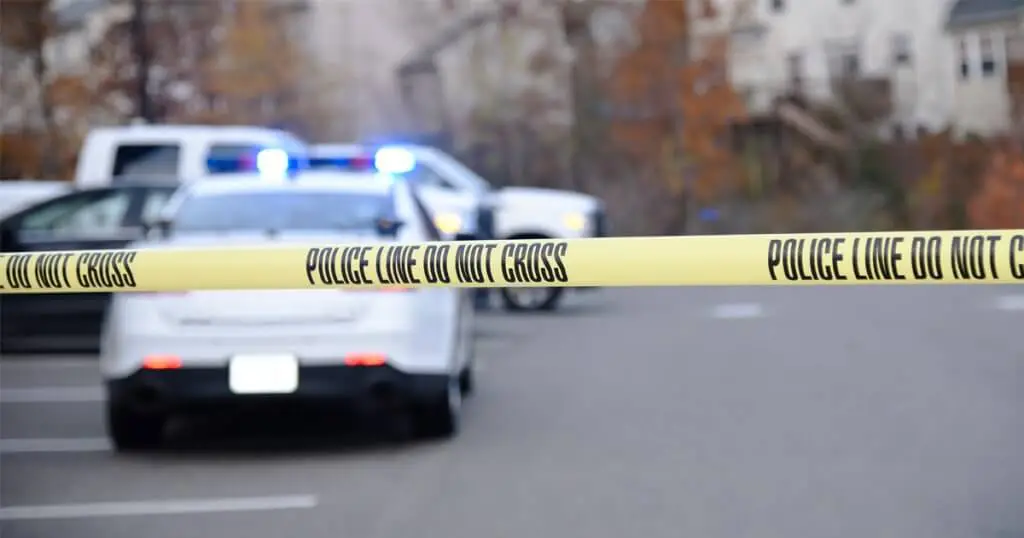
Law enforcement is often at the scene of an emergency. Here are some tips to help first responders work effectively with the police during EMS calls.
-

With cheating methods becoming more advanced, how can educators keep up? Dr. Bill Young discusses ways fire and EMS instructors can curb cheating in the classroom.