-

Community Risk Reduction is a process to identify and prioritize local risks, and make strategic investment of resources to reduce their occurrence and impact. Learn how to teach CRR in the classroom.
-

Nearly all ground ambulance crashes involve ambulance operator/driver error. Learn how to incorporate emergency vehicle operator training training into your plans this year.
-
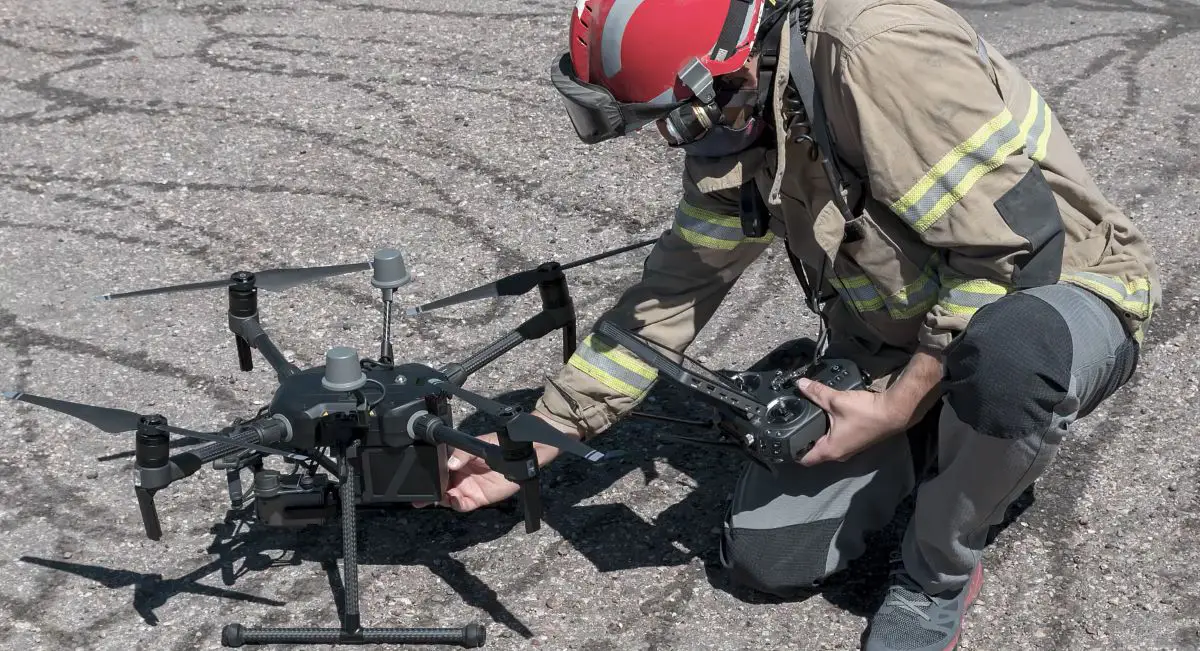
Authors and retired firefighters Alfred J. Rager and Jeffery Zolfarelli discuss how new technology is changing the way fires need to be handled, and how firefighting needs to be taught.
-
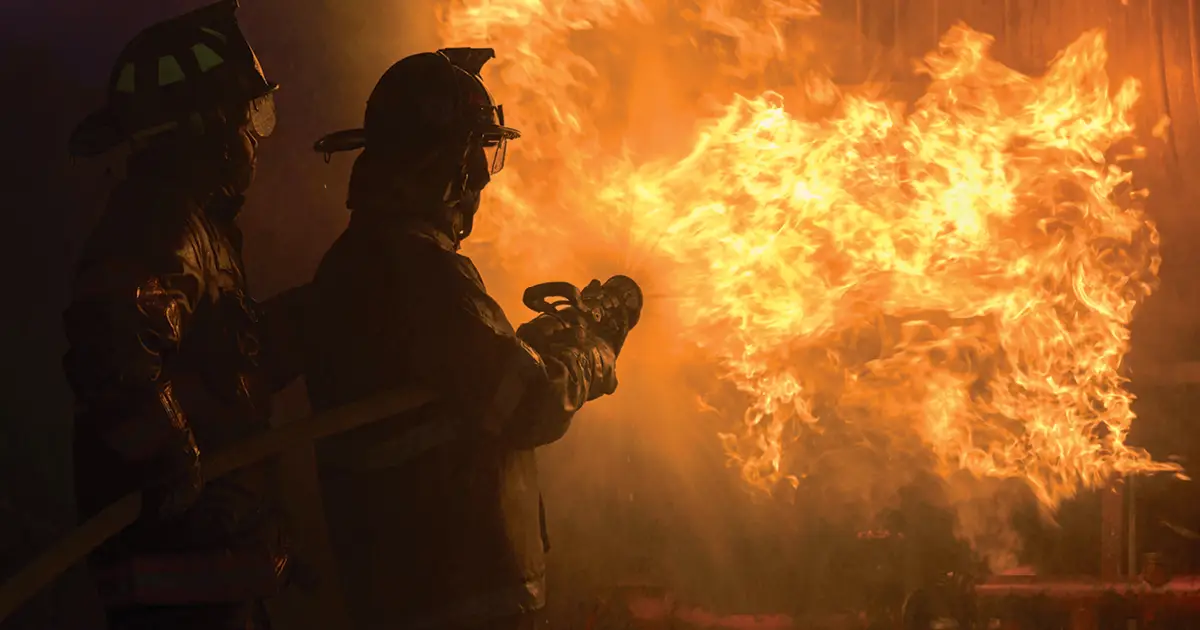
There are three ways to reduce the losses from unwanted fires: reduce ignitions, slow flame spread, and limit size. But fighting fires can get complex. Learn how to teach this challenging topic.
-
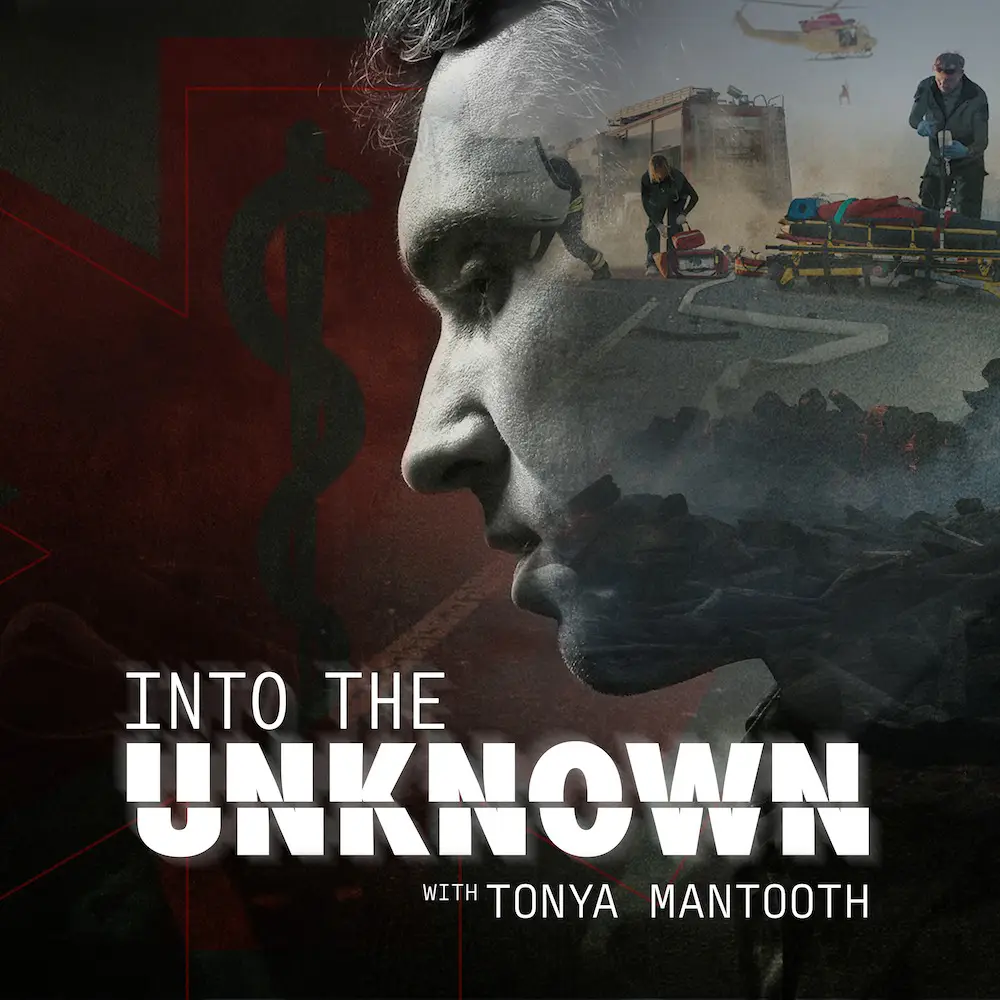
“Into the Unknown: The Paramedic’s Journey” is a documentary created by Randy Mantooth, star of “Emergency!” a TV show that changed the landscape of EMS in the United States.
-
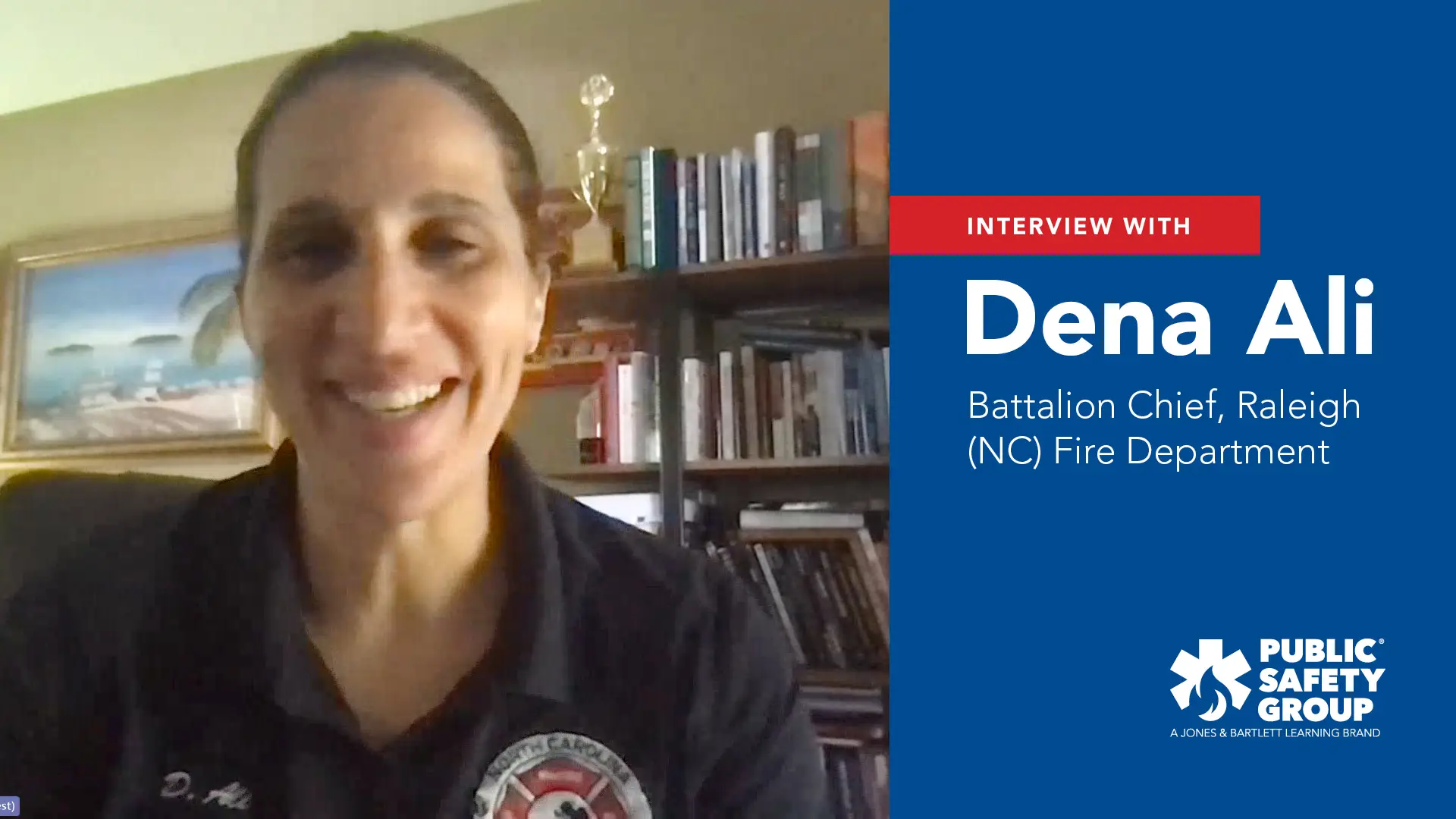
Dena Ali, a leading voice on suicide prevention in the fire service, says the conversation should be reframed to include individuals who have struggled with mental health and found a path to recovery.
-
.webp?sfvrsn=1df75ef0_3 "interview-mike-mcavoy-on-pediatric-care-for-ems---video_final-(time-0_00_01-27)")
Pediatric care expert Mike McEvoy discusses the best approaches to teaching first responders how to care for sick or injured children in the field.
-

Considering online continuing education (CE) for EMS training? Read on to learn why CAPCE credit, or credit from the Commission on Accreditation for Pre-Hospital Continuing Education, is essential to continuing education, and the integral part it plays in online training with Recert.
-
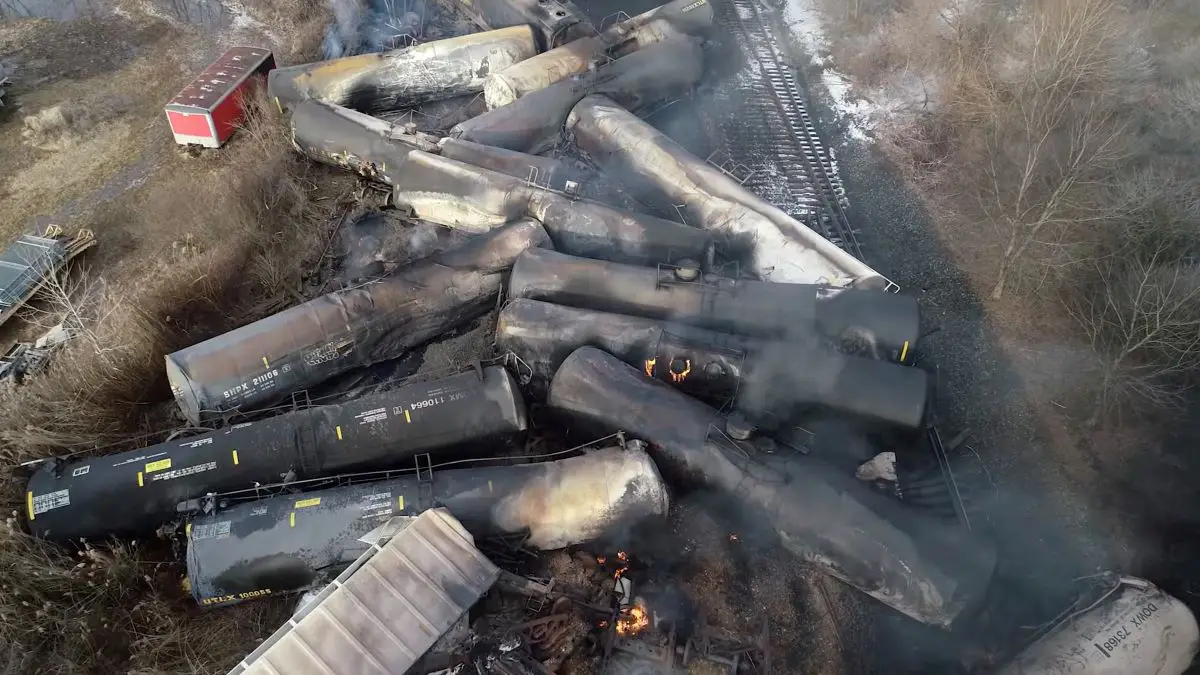
On-scene response operations at hazmat emergencies must be based on a structured and standardized system of protocols and procedures. Learn the Eight-Step Process.
-
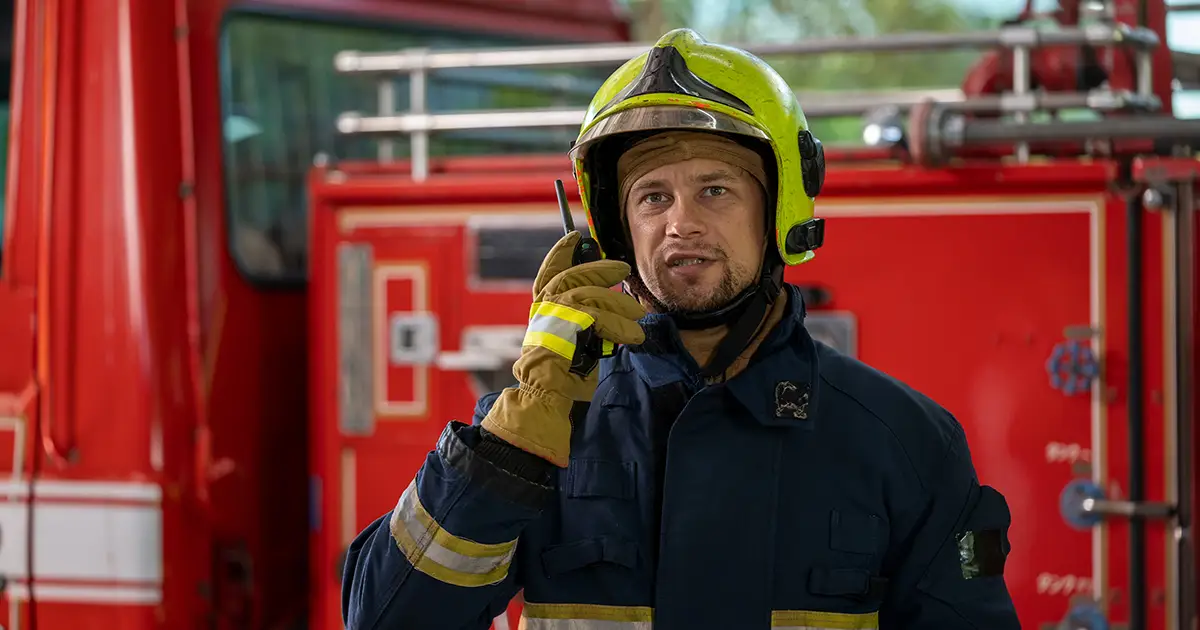
Can the popular AI chatbot influence the way firefighters are trained? You be the judge.