-

Urban Hospital Wait Time and Wall Time
Long hospital wait times are a problem around the country. Bob Elling discusses the need for improved efficiency and collaboration between EMS and ERs to address these challenges. -
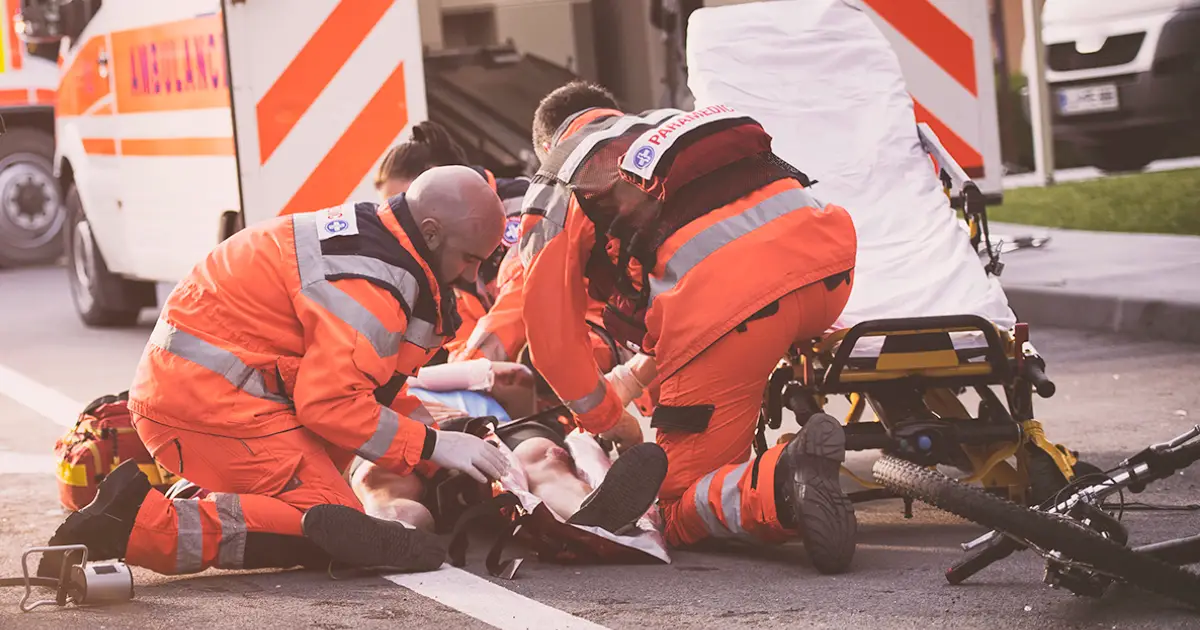
Are You Teaching Prehospital Blood Transfusion? This Is Why You Should Be.
Exsanguination remains the leading cause of preventable deaths among victims of trauma, with nearly half of those patients dying in the prehospital setting. How can EMS training improve these patient outcomes? -
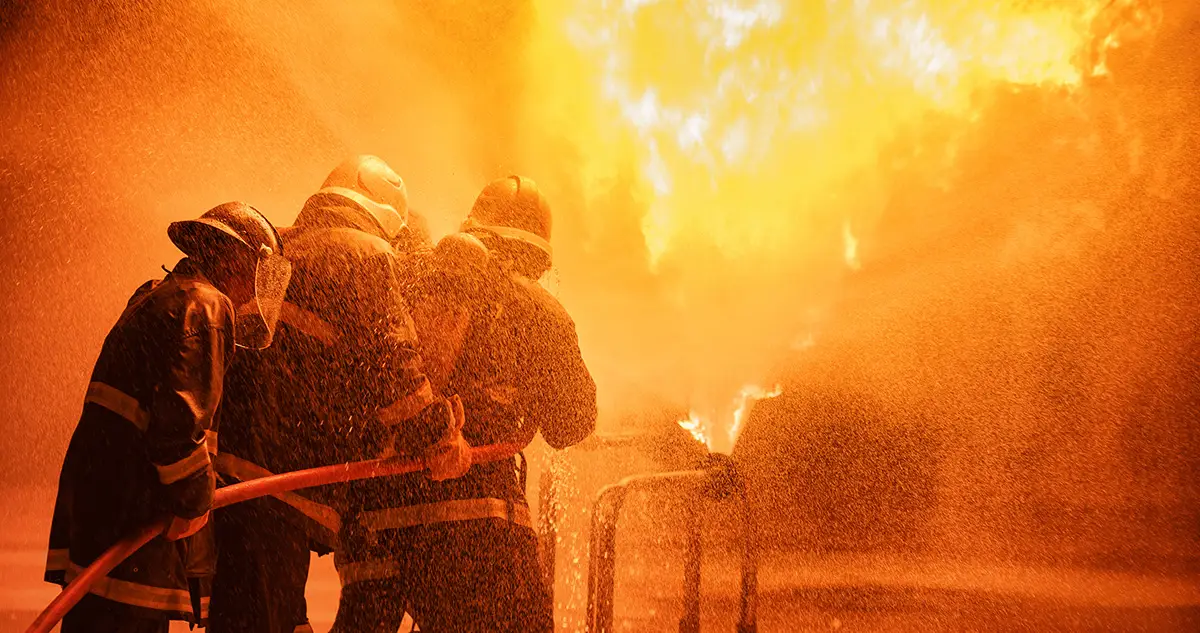
Firefighter Training Ideas and Topics for Instructors
Here are the most important lessons, tips and tricks to convey to firefighter students heading into the field today. -

Flu, RSV, and COVID: Teaching EMTs and Paramedics to Prepare for the Seasonal Increase in Respiratory Incidents
As we start to enter fall, it's critical to teach EMTs and paramedics how to respond to an increase in flu, COVID-19, RSV, and other respiratory emergencies. -
EMS Fatigue is a Serious Problem. Better Education Can Solve It.
Battling fatigue is a serious issue with EMS workers. There is some evidence now suggesting that good education can reduce fatigue-related incidents. -
Training For Resilience: How Instructors Are Approaching First Responder Mental Health
First responders often experience mental health issues at higher rates than the general public. Learn approaches to help students in your cohort prepare in advance and seek help when they need it. -
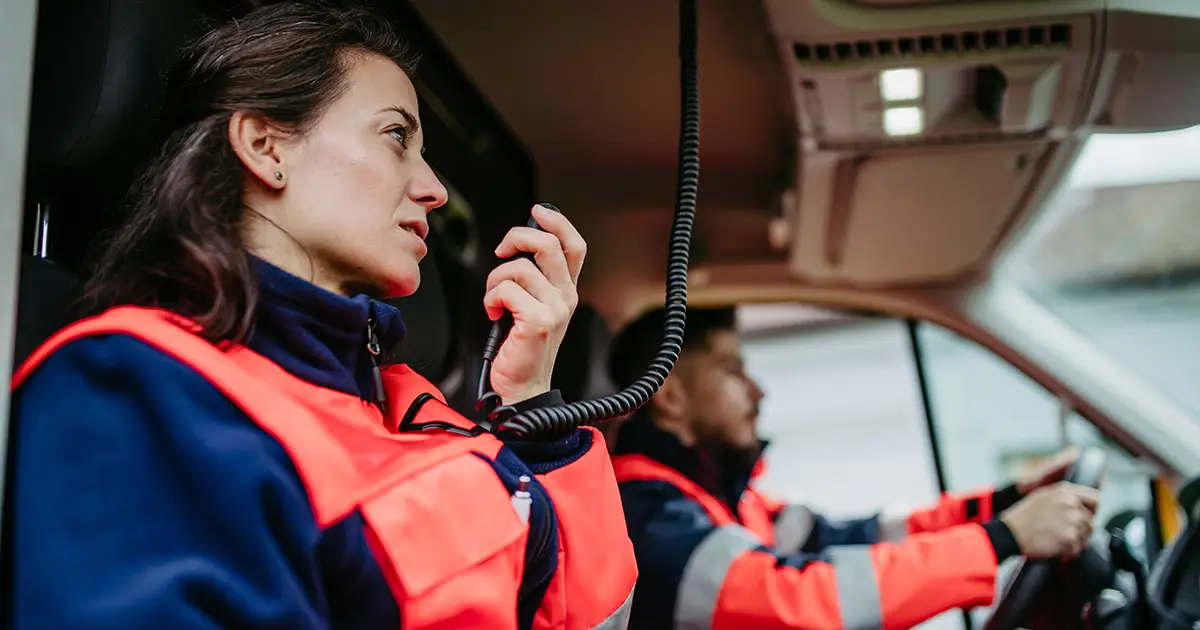
Advanced Life Support Training: Everything You Need to Know for Improved Paramedic Instruction
Paramedic instructors are key to preparing future EMS professionals. Read on to learn the value of quality ALS training and effective teaching strategies to improve instruction. -
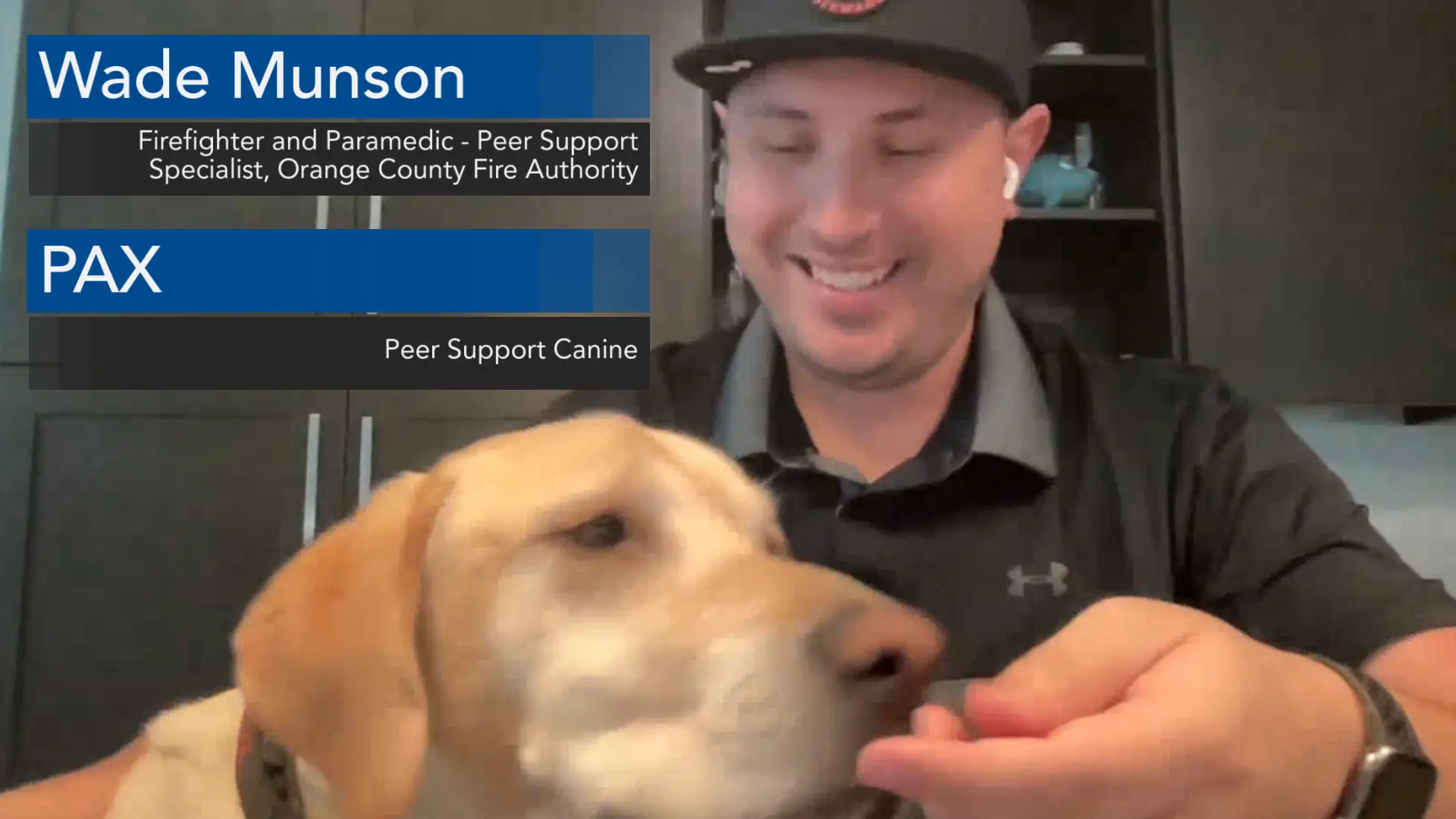
How Peer Support Canines Are Improving Mental Health at the Fire Station
Dogs are increasingly being pressed into action in a behavioral health capacity at fire houses. Learn how paramedic and firefighter Wade Munson met Pax, and how he has developed a behavioral health program at the Orange County (CA) Fire Authority. -
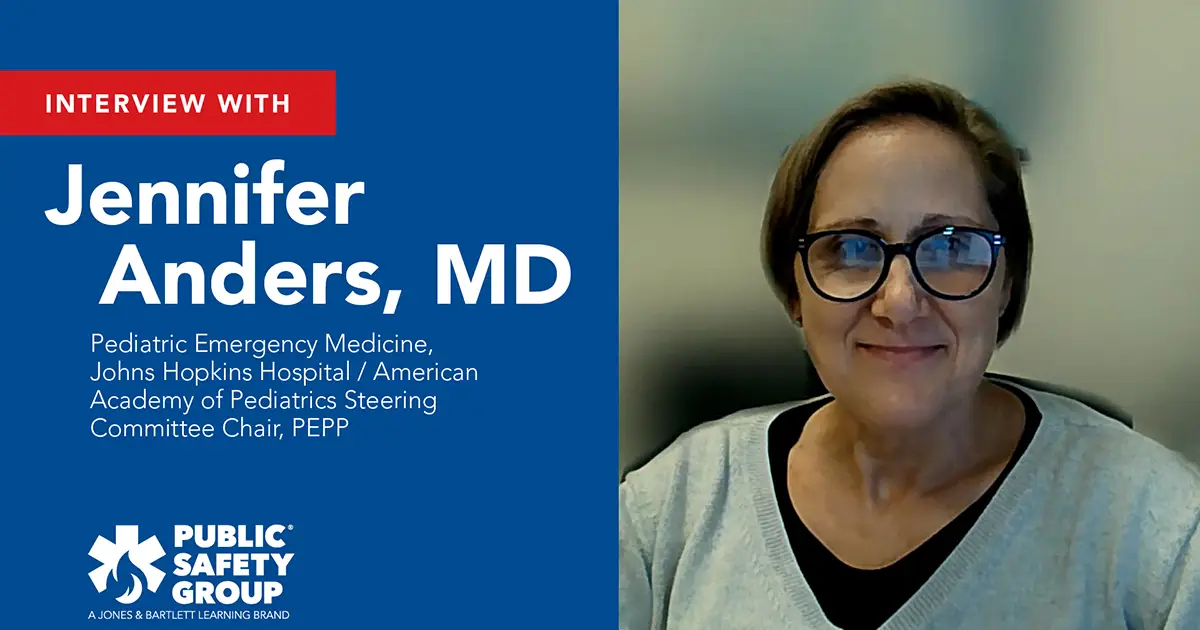
Creating Realistic Pediatric Emergency Simulations: Best Practices for EMS Training
Jennifer Anders, MD, FAAP, outlines her best practices for conducting realistic pediatric emergency simulations to enhance EMS training and improve patient outcomes. -
Are You Prepared for Disease Outbreaks in Your Community?
Is your department ready for an outbreak? Discover how strategic planning, community collaboration, and proactive measures can enhance your preparedness.
-
Customer Spotlight Q&A: Jason Marquez, EMT-P President and CEO, First Response Training Group Orlando, Florida
Jason Marquez, EMT-P, President and CEO, First Response Training Group Orlando, Florida, talks about his experience using the Emergency Care and Transportation of the Sick and Injured, Twelfth Edition and Nancy Caroline’s Emergency Care in the Streets, Ninth Edition.Full story
-
Setting a Course for Success
Get a practical orientation to the Navigate learning platform that helps adult public safety students get set up correctly, find everything they need in one place, and stay on track from day one through career advancement.Full story
-
Webinar Recording: What EMT Instructors Have Been Asking For: Now in Emergency Care and Transportation of the Sick and Injured, Thirteenth Edition
This is a recording of the Navigate courseware webinar from March 24th, 2026 on Emergency Care and Transportation of the Sick and Injured, Thirteenth Edition, led by Jameel Sylvia, MPA, NRP from The Public Safety Group. For more information on this title, please visit go.psglearning.com/EMT13eFull story
-
ECSI Tutorial Series (3): How to Create and Submit a Course Roster
Hey there, ECSI Education Center coordinators and instructors! Do you know how to issue your course completion cards? Let's find out!Full story
-
Fisdap Instructor Tutorial: How do I view which preceptors have completed the training?
To see a list of who's completed the training, go to the orange Reports tab and click on the Accreditation link.Full story
-
Medical Director Discusses the Importance of Evidence-Based Content for EMS Recertification
Evidence-based medicine uses the scientific method to organize and apply current data to improve health care decisions. Despite its ubiquitous usage in health care, it is relatively new to prehospital care. Is it time for a change?Full story