-

The Scene is Never Safe: How Situational Awareness Can Be a First Responder’s Most Important Skill
Ensuring scene safety is a dynamic process requiring constant reassessment. Learn how to incorporate this critical skill in your teaching. -
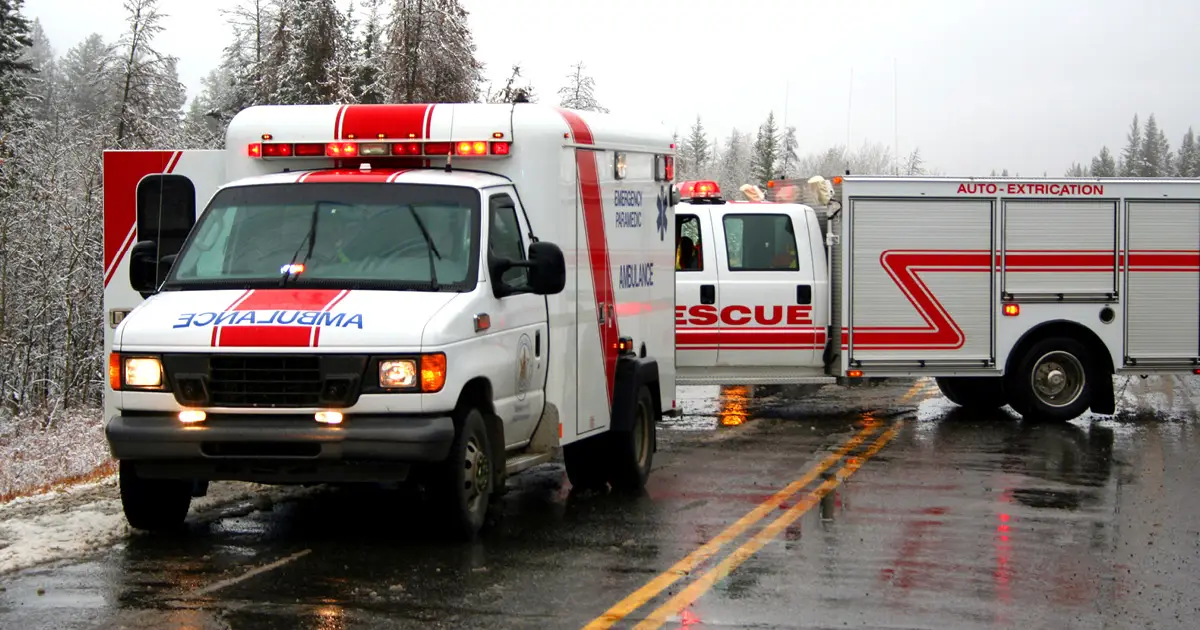
Highway Scene Safety 101: Training and Best Practices for EMS & Firefighters
Regardless of the season, it is always important for fire and EMS personnel to review their safety training protocol for responding to highway incidents. -
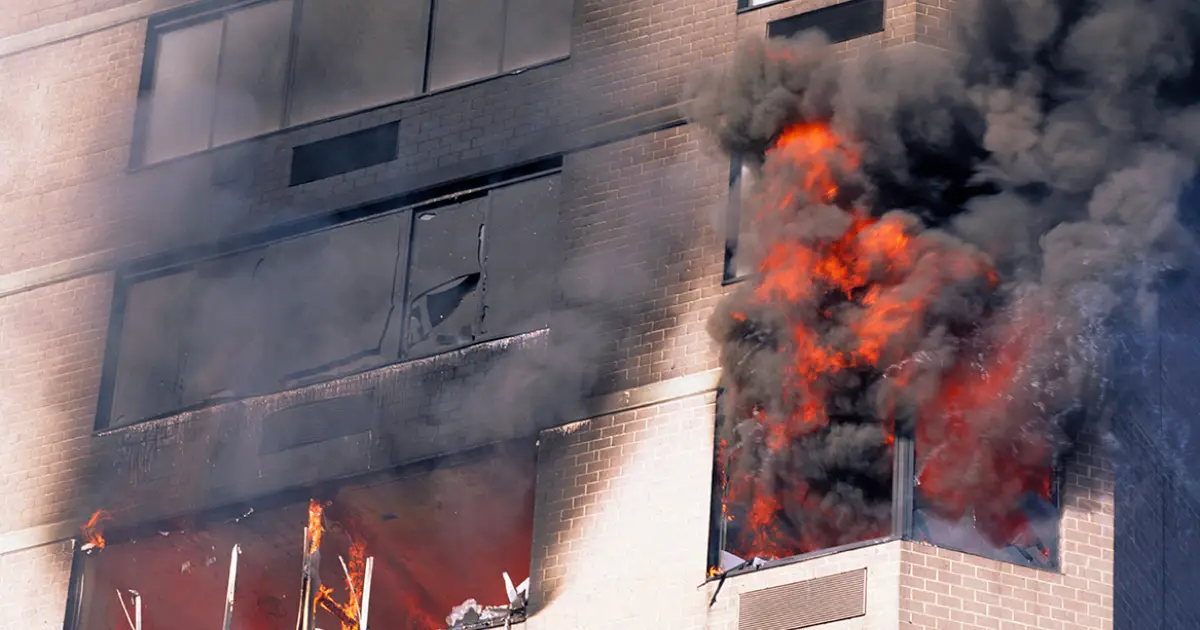
Considerations for Instructors: How to Fight a High-Rise Building Fire
The height of high-rise buildings put fires beyond the reach of routine ground-based operations and deprive the fire department of using exterior ground ladders for rescues and firefighting, even with aerial apparatus. Read on to learn how best to fight a fire in a high-rise building. -
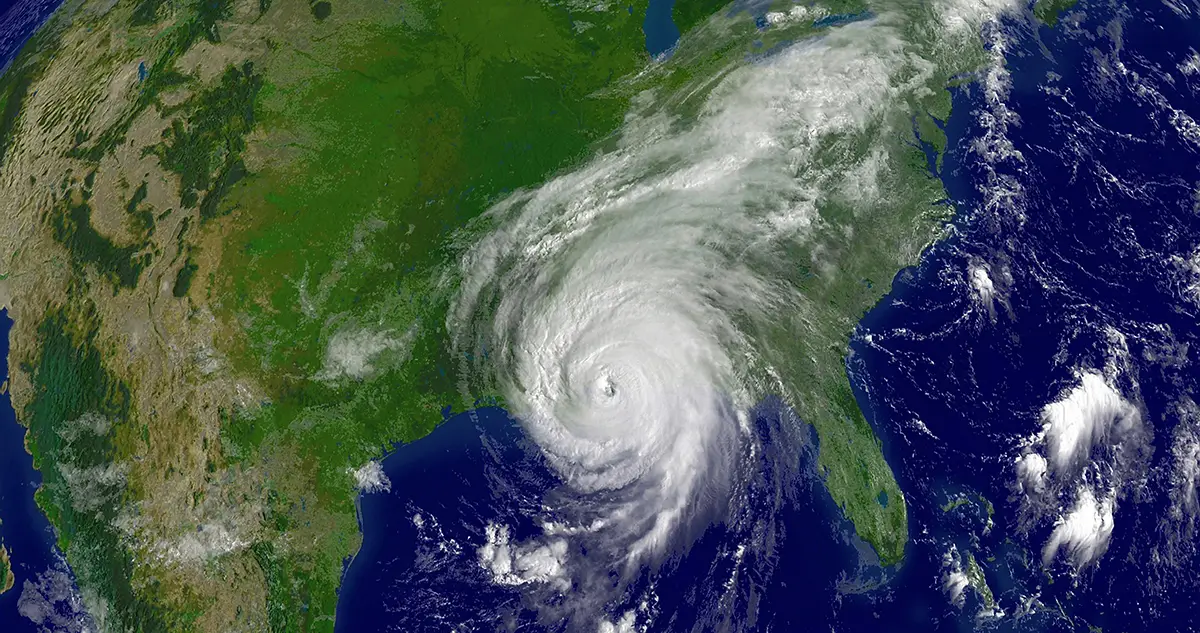
Preparing First Responders (and Their Families) for a Busy Hurricane Season
There are a few important steps all first responders can take when preparing for hurricane season. Expert Bob Elling explains how to teach your staff how to prep. -

The Importance of Teaching Autism Awareness to EMTs and Paramedics
The prevalence of autism spectrum disorder (ASD) is on the rise. Teaching EMTs and Paramedics how to care for people with ASD is now critical. -
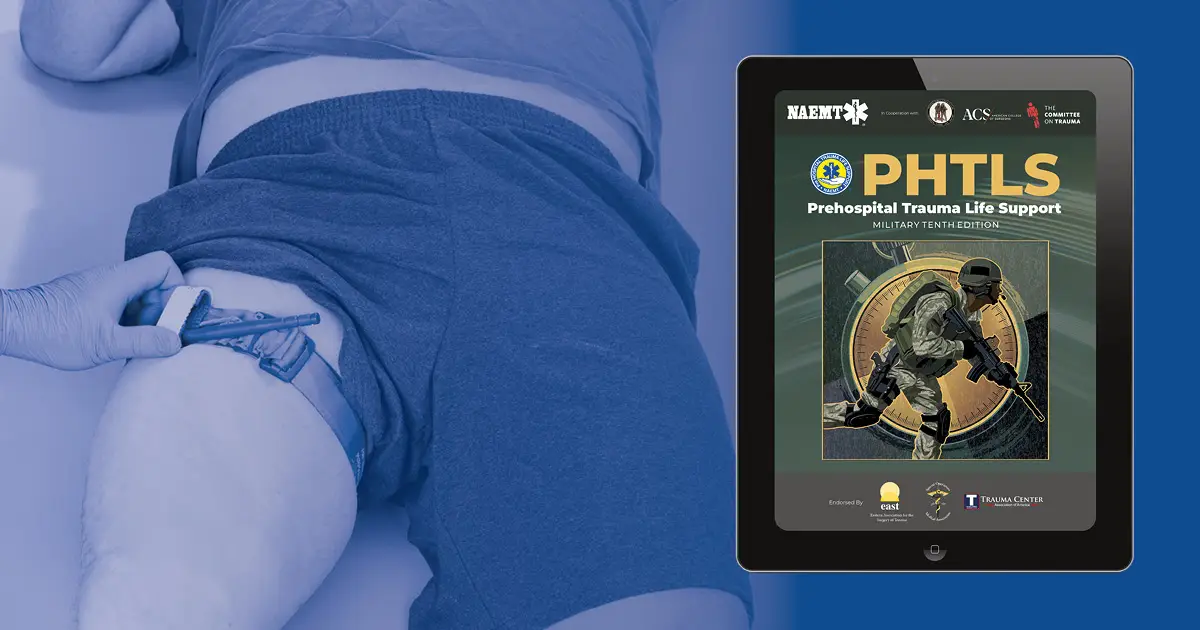
The Evolution of Tourniquet Use in Trauma Care
Public Safety Group sat down with Navy Captain (Ret.) Dr. Frank Butler to discuss the development of tourniquet use in casualty resuscitation in military and civilian settings. -
Enhancing Paramedic Training Courses: Strategies and Insights for Instructors
Read on to learn more about the value of improved paramedic training including the strategies and resources instructors are leveraging to do so effectively. -
How Instructors Can Help First Responders Improve Care for People Living with Disabilities
One in 4 Americans between the ages of 18 and 44 with disabilities do not have a designated health care provider. How can first responders and EMS professionals improve prehospital care for these individuals? -
When Heat Waves Scorch the U.S., Teaching Firefighters and EMS Professionals How to Manage Heat-Related Injuries Takes Center Stage
Are your students prepared for a heat wave? Learn how to get your EMS students ready for what will inevitably be a scorching summer season across the country. -
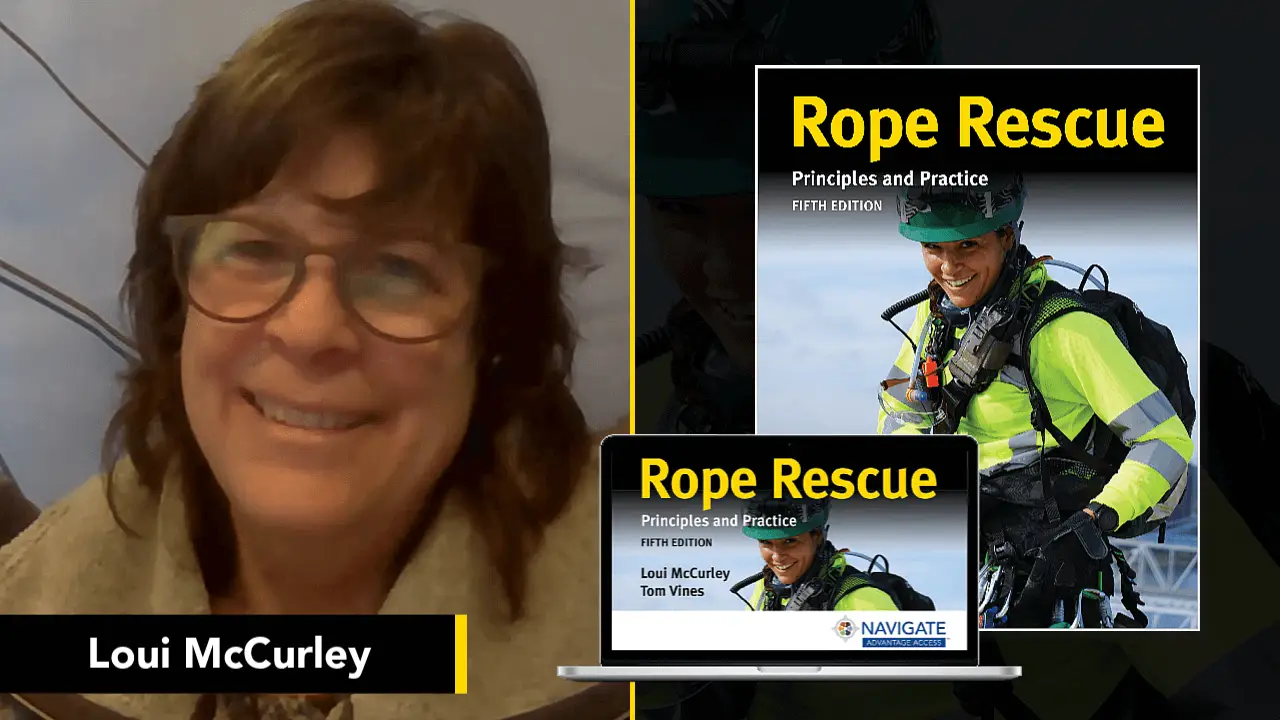
Expert Says Teaching Rope Rescue Has Changed in Some Surprising Ways
There is high value to teaching rope rescue as fire and rescue experts can’t easily predict the scenes they’ll be called to on any given day.
-
Customer Spotlight Q&A: Jason Marquez, EMT-P President and CEO, First Response Training Group Orlando, Florida
Jason Marquez, EMT-P, President and CEO, First Response Training Group Orlando, Florida, talks about his experience using the Emergency Care and Transportation of the Sick and Injured, Twelfth Edition and Nancy Caroline’s Emergency Care in the Streets, Ninth Edition.Full story
-
Setting a Course for Success
Get a practical orientation to the Navigate learning platform that helps adult public safety students get set up correctly, find everything they need in one place, and stay on track from day one through career advancement.Full story
-
Webinar Recording: What EMT Instructors Have Been Asking For: Now in Emergency Care and Transportation of the Sick and Injured, Thirteenth Edition
This is a recording of the Navigate courseware webinar from March 24th, 2026 on Emergency Care and Transportation of the Sick and Injured, Thirteenth Edition, led by Jameel Sylvia, MPA, NRP from The Public Safety Group. For more information on this title, please visit go.psglearning.com/EMT13eFull story
-
ECSI Tutorial Series (3): How to Create and Submit a Course Roster
Hey there, ECSI Education Center coordinators and instructors! Do you know how to issue your course completion cards? Let's find out!Full story
-
Fisdap Instructor Tutorial: How do I view which preceptors have completed the training?
To see a list of who's completed the training, go to the orange Reports tab and click on the Accreditation link.Full story
-
Medical Director Discusses the Importance of Evidence-Based Content for EMS Recertification
Evidence-based medicine uses the scientific method to organize and apply current data to improve health care decisions. Despite its ubiquitous usage in health care, it is relatively new to prehospital care. Is it time for a change?Full story