-
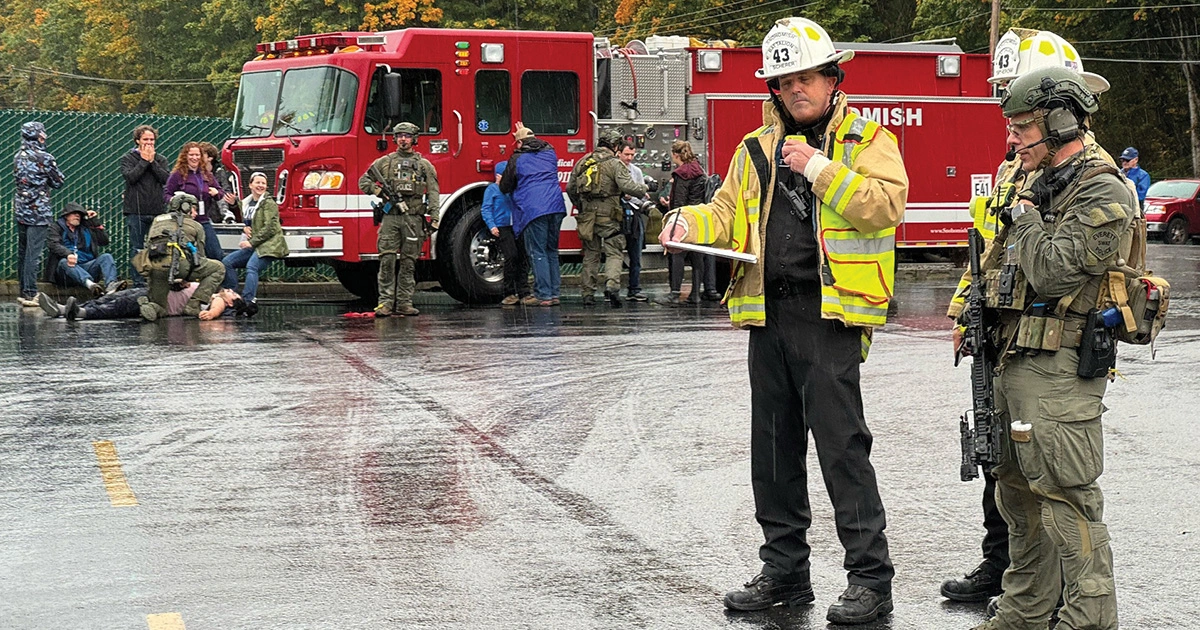
How Instructors Can Make TECC Education More Realistic
TECC education can feel difficult to teach when the classroom does not reflect the conditions of a real emergency. Learn realistic ways to prepare future responders to act with confidence when it matters most. -

The Lasting Legacy of 9/11 on EMS and the Fire Service
9/11 left a lasting mark on EMS and the fire service, changing how first responders train, communicate, and prepare for large-scale emergencies. Learn how its legacy continues to shape responders today. -
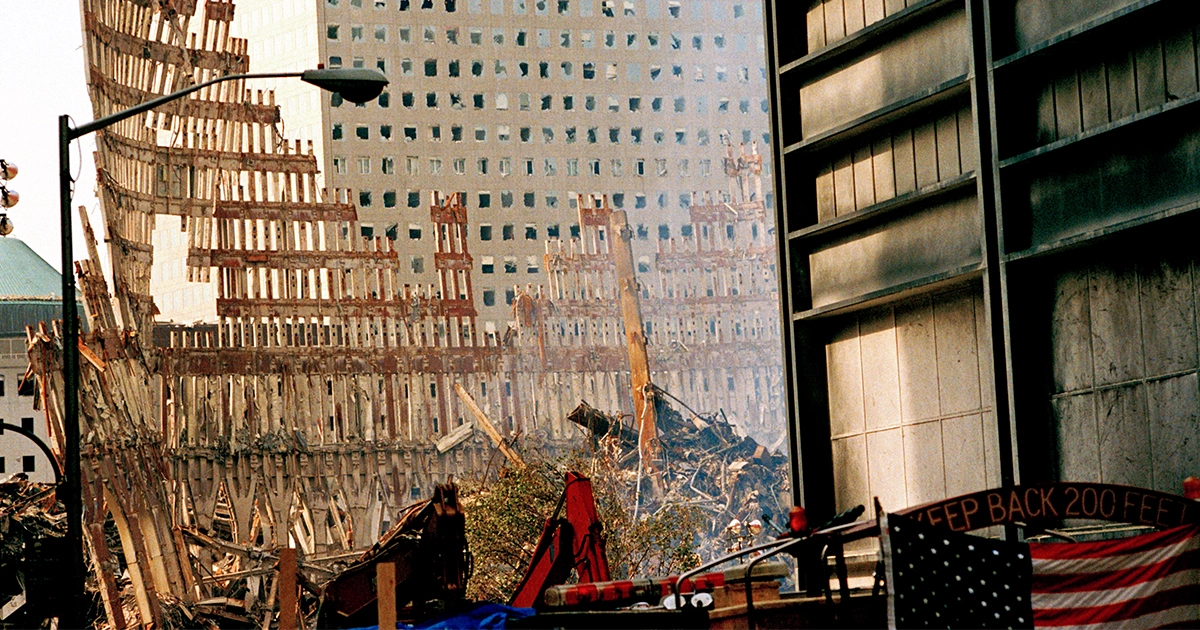
How Instructors Can Teach 9/11 to the Next Generation of First Responders
9/11 may feel like history to today’s fire and EMS students, but its lessons still shape how responders understand readiness and responsibility. We take a look at practical ways to teach 9/11 to the newest generation. -
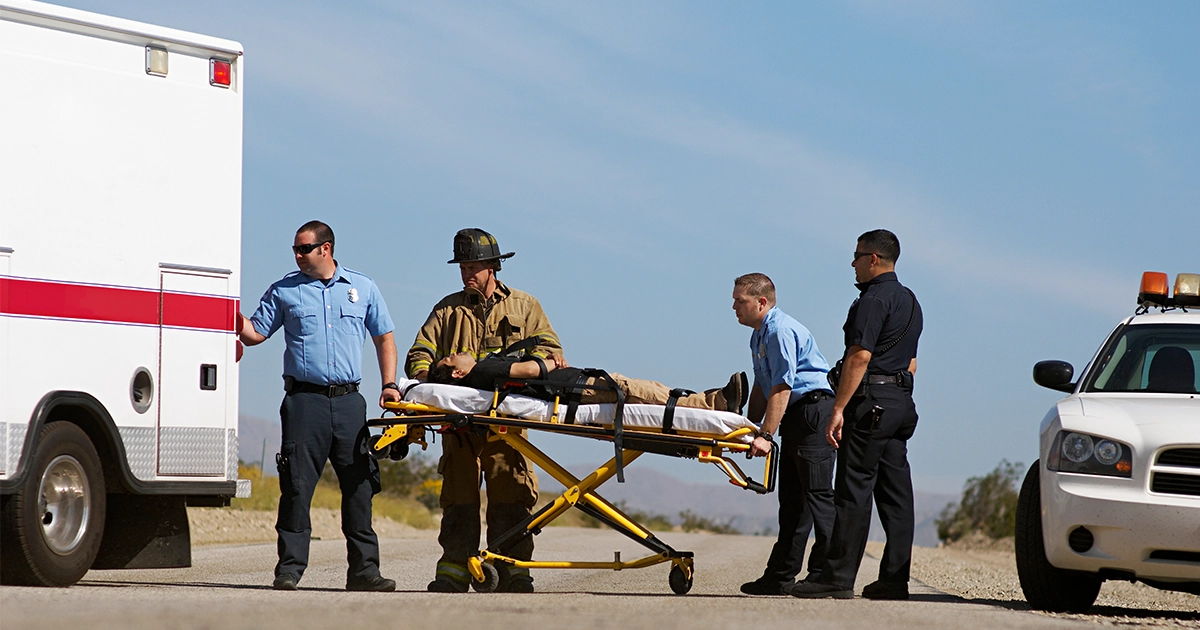
From First on Scene to One EMS Team: How EMRs and EMTs Can Work Better Together
EMRs and EMTs bring different training and authority to a call, but patient care improves when they work as one team. We break down how shared expectations and clear communication can support smoother care from first response through transport. -
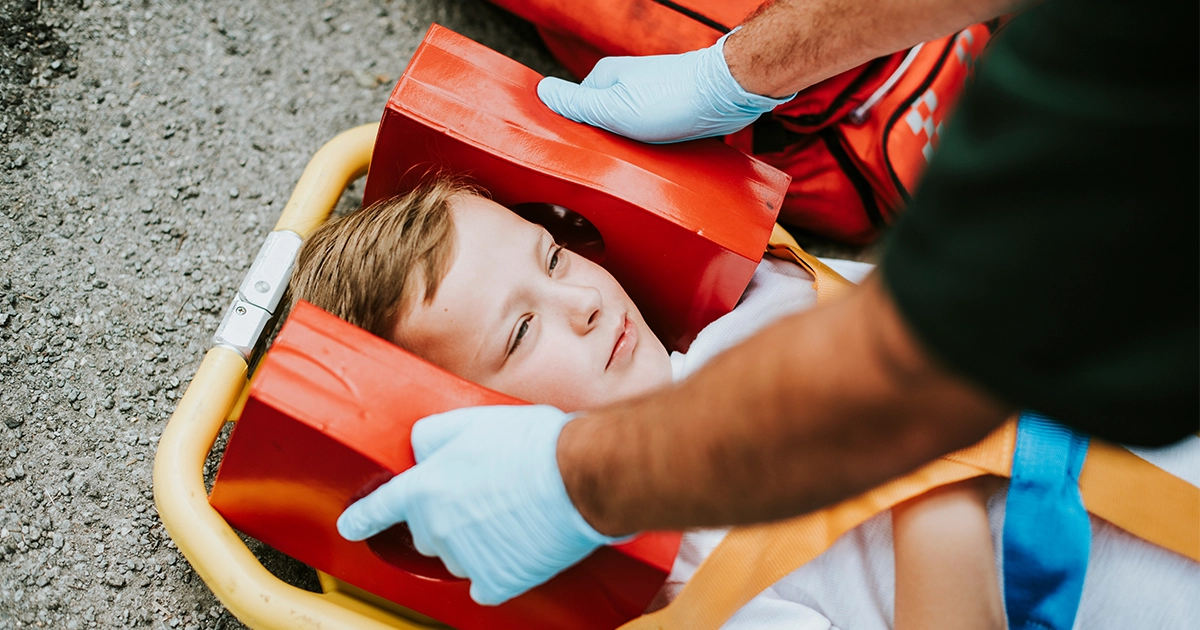
How EMS Educators Can Make Pediatric Calls Feel Less Intimidating
Pediatric emergencies often feel intimidating when students do not get enough exposure during training. Discover how integrating pediatric care throughout EMS education can help future first responders build confidence for their future career. -
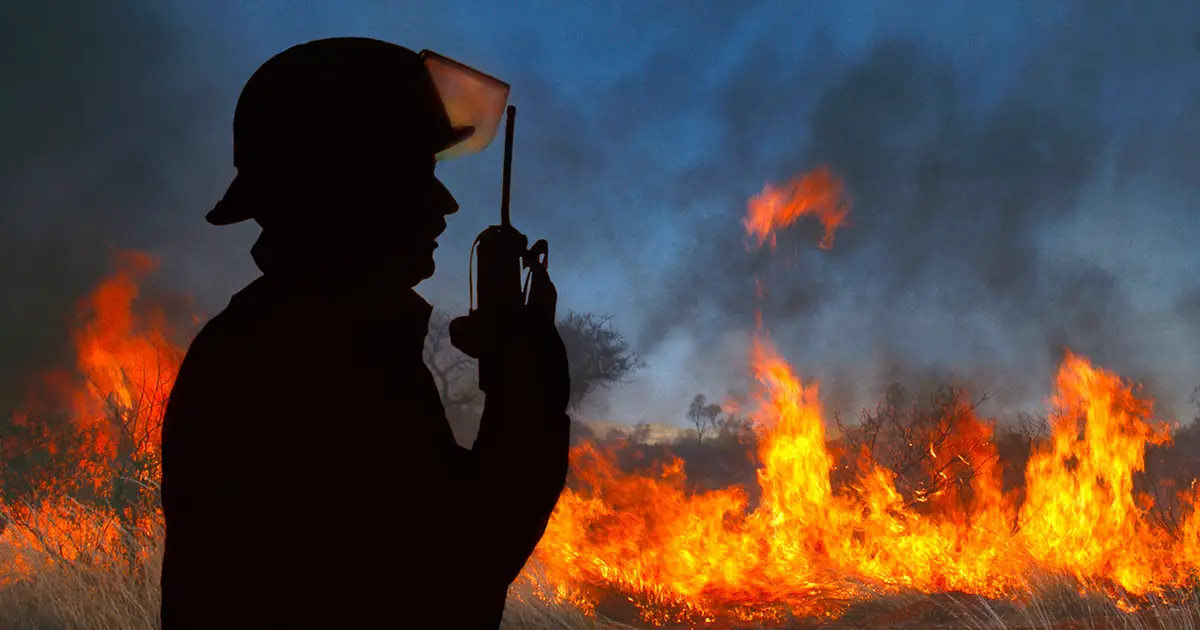
‘We’re Preparing for Wildfire Season All Year Round’—How Wildland Fire Training Has Changed Permanently
Wildfire season used to be somewhat predictable. Those days are over. Learn how firefighters should be training for a season that no longer has a predictable end. -

Speaker Lineup at the 2026 EMS World Expo
The EMS World Expo will be held from September 28-October 2, 2026. Public Safety Group is proud to have several affiliated speakers at this year’s event. -
Get Quick Access to Navigate Support Videos and Documents
Need help accessing Navigate or using any particular tools and resources? Use this page to quickly find links to dozens of training videos and documents. -
Why Compassion Fatigue Belongs in EMS Training
EMS clinicians are trained to handle trauma in the field, but repeated exposure to others’ suffering is often overlooked. Discover how adding compassion fatigue to training can better prepare first responders to sustain their well-being over time. -
How EMS Providers Can Build Long-Term Resiliency
EMS work takes a physical and mental toll, leading to burnout, injury, and early career exits. We break down what resiliency really looks like, and practical ways providers can build habits that make long careers possible.
-
Customer Spotlight Q&A: Jason Marquez, EMT-P President and CEO, First Response Training Group Orlando, Florida
Jason Marquez, EMT-P, President and CEO, First Response Training Group Orlando, Florida, talks about his experience using the Emergency Care and Transportation of the Sick and Injured, Twelfth Edition and Nancy Caroline’s Emergency Care in the Streets, Ninth Edition.Full story
-
Setting a Course for Success
Get a practical orientation to the Navigate learning platform that helps adult public safety students get set up correctly, find everything they need in one place, and stay on track from day one through career advancement.Full story
-
Webinar Recording: What EMT Instructors Have Been Asking For: Now in Emergency Care and Transportation of the Sick and Injured, Thirteenth Edition
This is a recording of the Navigate courseware webinar from March 24th, 2026 on Emergency Care and Transportation of the Sick and Injured, Thirteenth Edition, led by Jameel Sylvia, MPA, NRP from The Public Safety Group. For more information on this title, please visit go.psglearning.com/EMT13eFull story
-
ECSI Tutorial Series (3): How to Create and Submit a Course Roster
Hey there, ECSI Education Center coordinators and instructors! Do you know how to issue your course completion cards? Let's find out!Full story
-
Fisdap Instructor Tutorial: How do I view which preceptors have completed the training?
To see a list of who's completed the training, go to the orange Reports tab and click on the Accreditation link.Full story
-
Medical Director Discusses the Importance of Evidence-Based Content for EMS Recertification
Evidence-based medicine uses the scientific method to organize and apply current data to improve health care decisions. Despite its ubiquitous usage in health care, it is relatively new to prehospital care. Is it time for a change?Full story