-
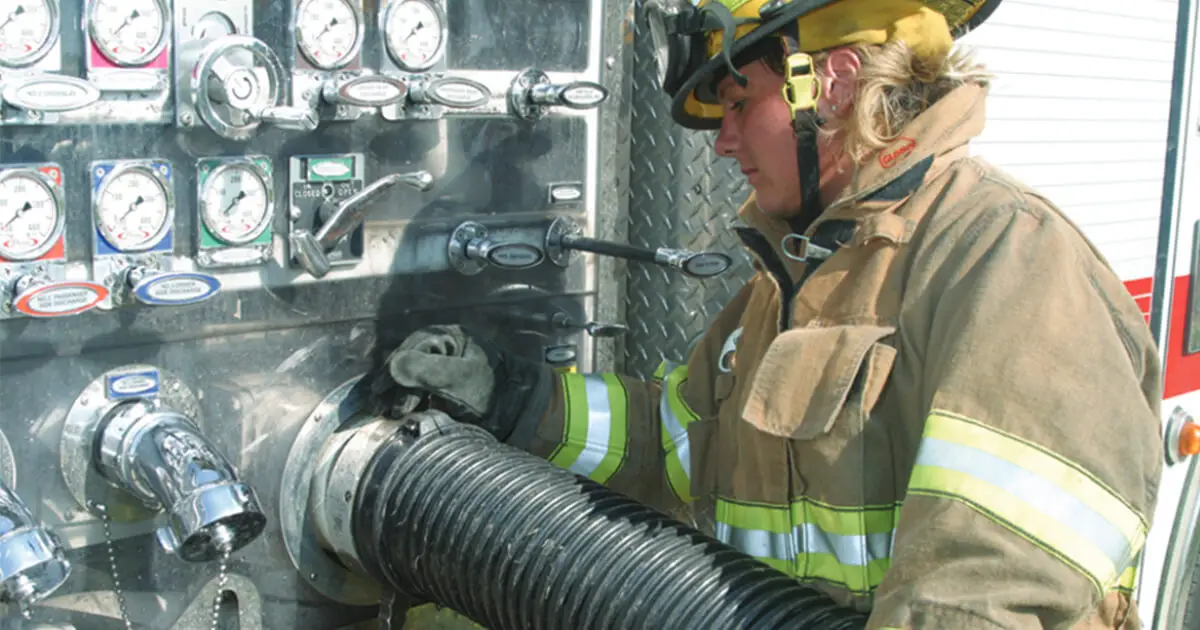
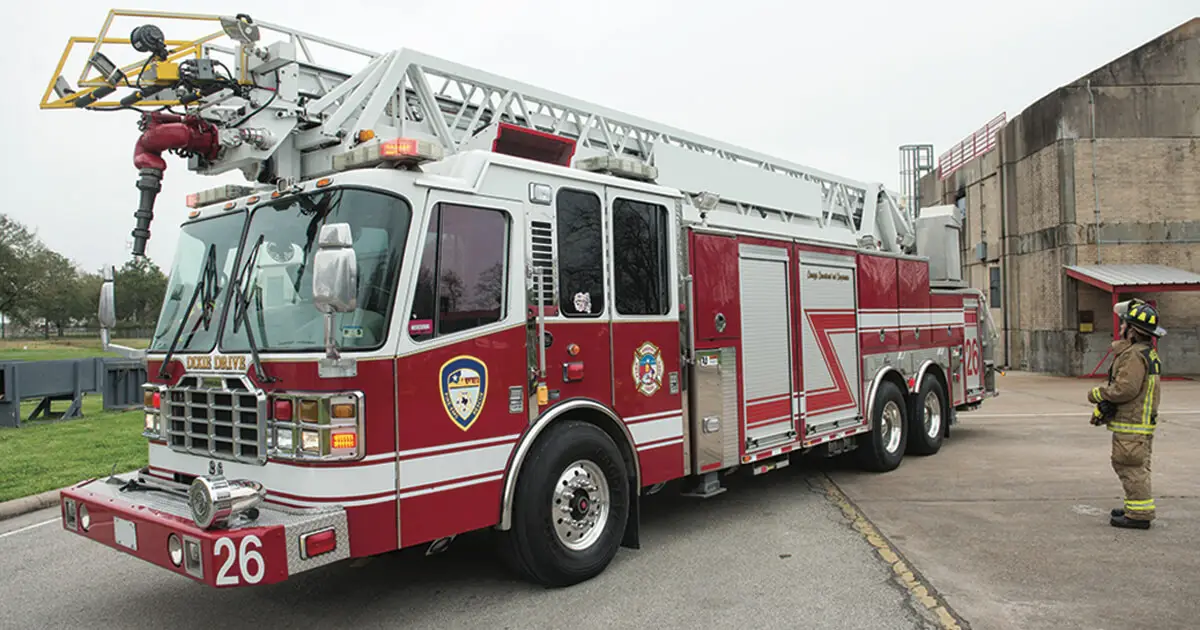
Steering Towards Safety: The Critical Role of Driver/Operator Training in Firefighting
In the dynamic world of firefighting, the role of a driver/operator is a crucial, yet often overlooked one. What has changed in this role over the years, and how can firefighters be better trained for the challenges of today? -

EMS Training Success: Top Training Materials Are Elevating NREMT Pass Rates
Jason Marquez, EMT-P, President and CEO, First Response Training Group Orlando, Florida, talks about his experience using the Emergency Care and Transportation of the Sick and Injured, Twelfth Edition and Nancy Caroline’s Emergency Care in the Streets, Ninth Edition, in EMT/EMS training. -
Understanding and Preparing for the New NREMT Certification Exam
The new NREMT exams for advanced EMTs and paramedics are here. What has changed and how do you prepare effectively? We've got answers and advice from the experts. -

Carbon Monoxide Poisoning: Teaching EMS Providers How to Track the ‘Silent Killer’
If you have yet to respond to a case of carbon monoxide poisoning, you eventually will. Learn some tips on how to teach the signs and symptoms. -

How the U.S. Department of Defense Prepares its EMS Students for NREMT Exams and the Field
U.S. Department of Defense EMS instructors discuss how to train EMTs and Paramedics who go on to care for victims on the front lines of a faraway war or handle a situation involving an exploded IED. -

Turning the Tide on Tragedy: The Importance of Teaching Drowning Intervention Skills Year-Round
EMS professionals trained in the right drowning and water incident preventions can play a significant role in a drowning victim’s long-term well-being. Read on to learn more. -

Why a Focus on Mental Health and Communication is Vital to Job Performance in the Fire Service
It is widely understood that firefighters face challenges in their profession that can impact their mental health. Less understood is the emergence of firehouses creating cultures of support. -
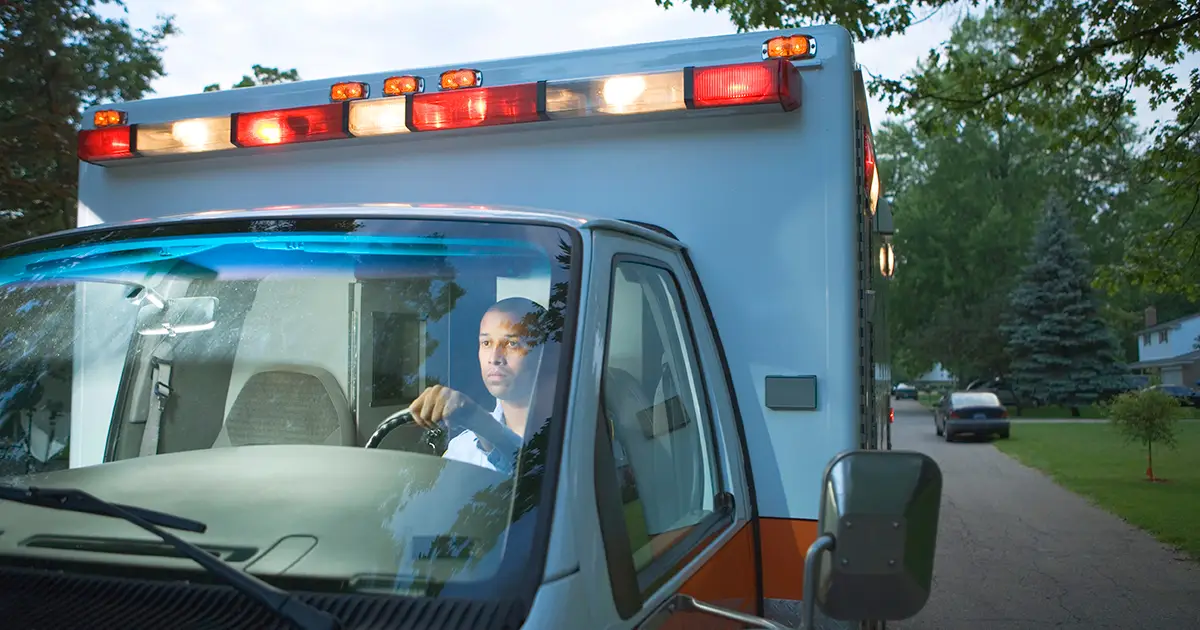
Training EMS to Respond to an Active Shooter Incident
EMS has a critical role to play during a mass shooting incident. Here's how to train and coordinate in advance. -
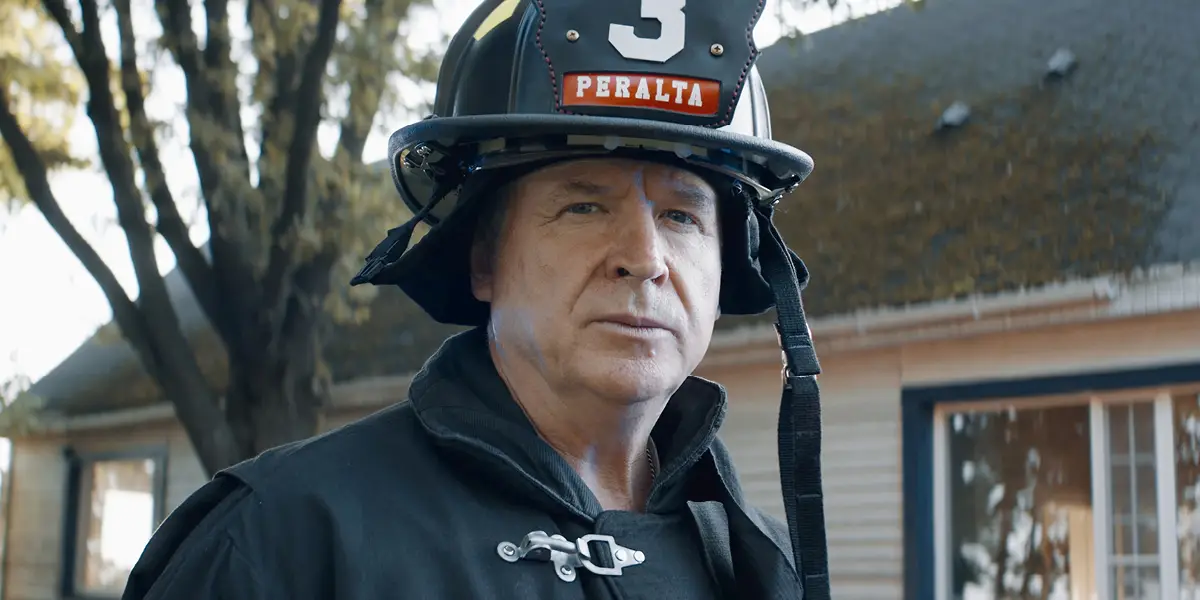
‘Clean is the New Salty:’ Preventing Cancer in Firefighters Starts with Better Training
The IARC classified the occupation of firefighting in Group 1, which defines firefighting as “carcinogenic to humans.” Learn how fire departments are working to teach cancer prevention. -
NFPA 1010: What Fire Instructors Need to Know
Fundamentals of Firefighter Skills and Hazardous Materials Response, Fifth Edition, provides new content that meets the intent of NFPA 1010, 2024 Edition Standard on Professional Qualifications for Firefighters that includes Chapter 6: Firefighter I (NFPA 1001) and Chapter 7: Firefighter II (NFPA 1001).
-
Customer Spotlight Q&A: Jason Marquez, EMT-P President and CEO, First Response Training Group Orlando, Florida
Jason Marquez, EMT-P, President and CEO, First Response Training Group Orlando, Florida, talks about his experience using the Emergency Care and Transportation of the Sick and Injured, Twelfth Edition and Nancy Caroline’s Emergency Care in the Streets, Ninth Edition.Full story
-
Setting a Course for Success
Get a practical orientation to the Navigate learning platform that helps adult public safety students get set up correctly, find everything they need in one place, and stay on track from day one through career advancement.Full story
-
Webinar Recording: What EMT Instructors Have Been Asking For: Now in Emergency Care and Transportation of the Sick and Injured, Thirteenth Edition
This is a recording of the Navigate courseware webinar from March 24th, 2026 on Emergency Care and Transportation of the Sick and Injured, Thirteenth Edition, led by Jameel Sylvia, MPA, NRP from The Public Safety Group. For more information on this title, please visit go.psglearning.com/EMT13eFull story
-
ECSI Tutorial Series (3): How to Create and Submit a Course Roster
Hey there, ECSI Education Center coordinators and instructors! Do you know how to issue your course completion cards? Let's find out!Full story
-
Fisdap Instructor Tutorial: How do I view which preceptors have completed the training?
To see a list of who's completed the training, go to the orange Reports tab and click on the Accreditation link.Full story
-
Medical Director Discusses the Importance of Evidence-Based Content for EMS Recertification
Evidence-based medicine uses the scientific method to organize and apply current data to improve health care decisions. Despite its ubiquitous usage in health care, it is relatively new to prehospital care. Is it time for a change?Full story