-
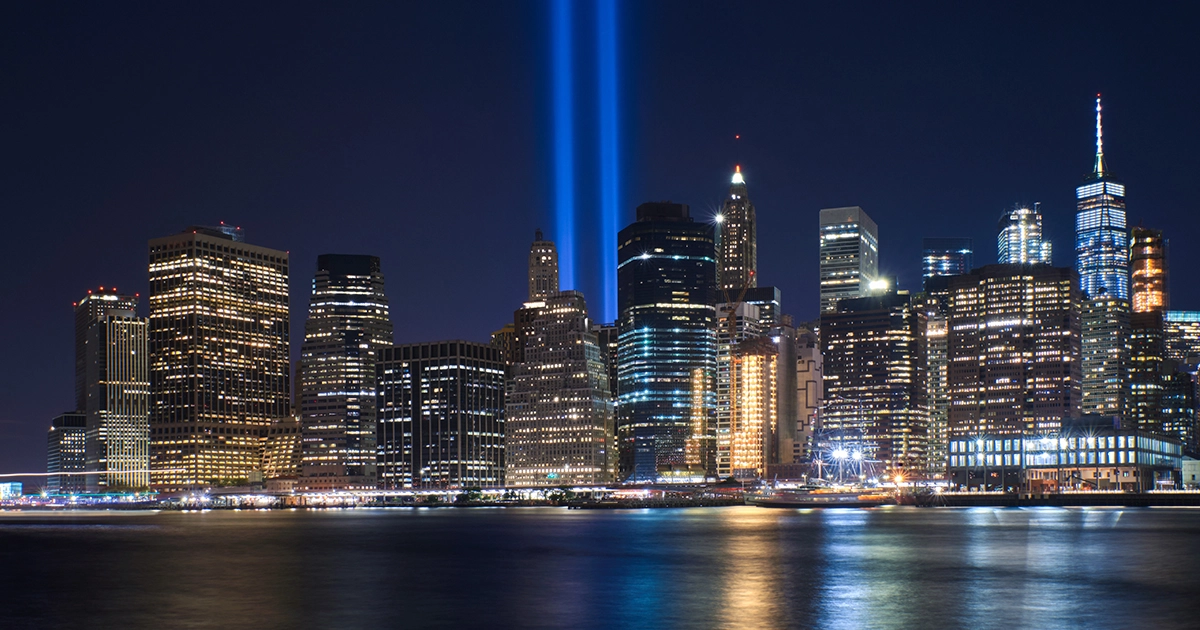
9/11 left a lasting mark on EMS and the fire service, changing how first responders train, communicate, and prepare for large-scale emergencies. Learn how its legacy continues to shape responders today.
-
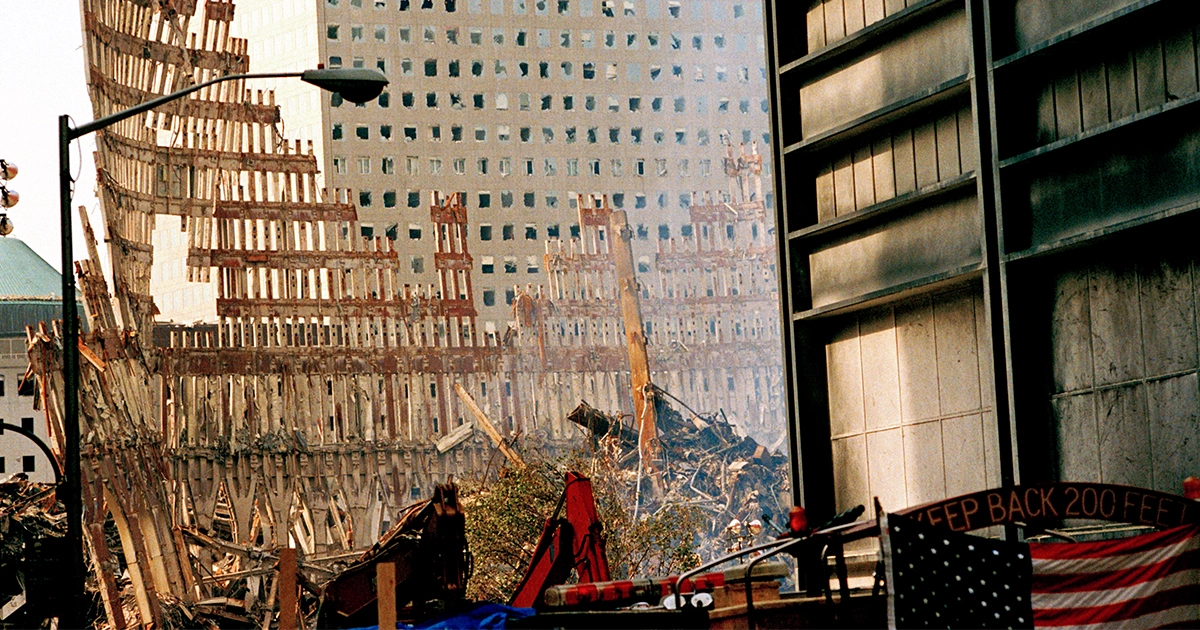
9/11 may feel like history to today’s fire and EMS students, but its lessons still shape how responders understand readiness and responsibility. We take a look at practical ways to teach 9/11 to the newest generation.
-
Traditional EMS recruiting methods aren’t bringing in enough new clinicians, leaving gaps in the workforce. We look at how EMS Corps is approaching recruitment and training differently, and what parts of that model your program can use.
-
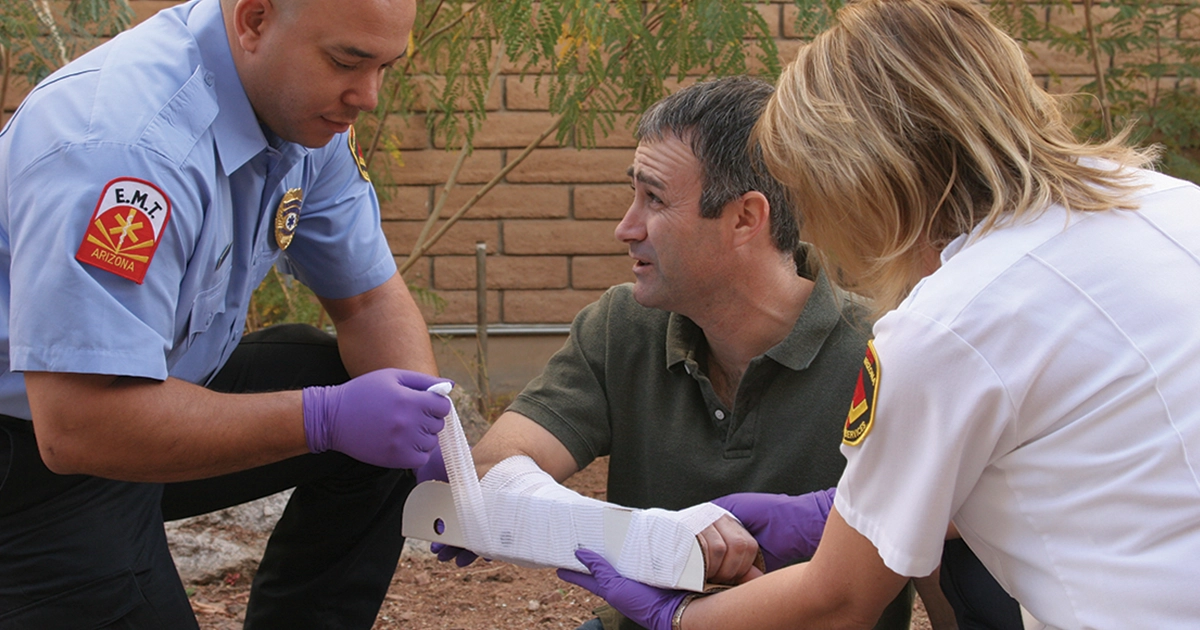
Human trafficking often hides in plain sight on everyday EMS calls. We take a look at some common red flags and what responders should (and shouldn't) do when they suspect trafficking.
-
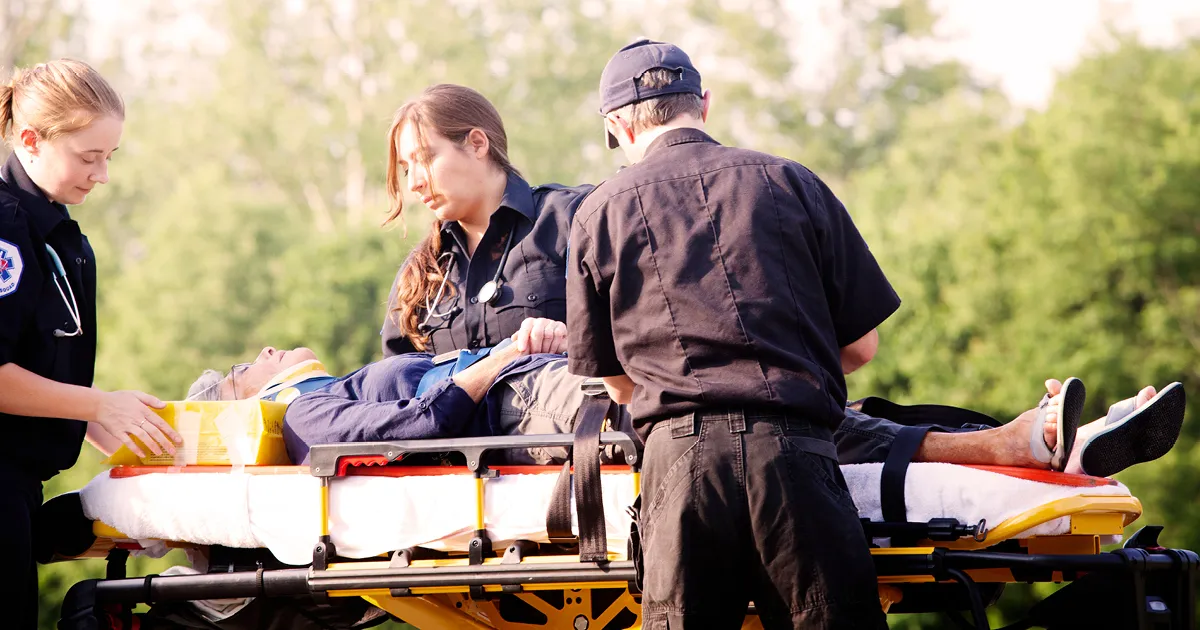
Frailty can affect patients of all ages, not just the elderly. We take a look at training cases and ways educators can teach EMS students how to manage frail patients.
-
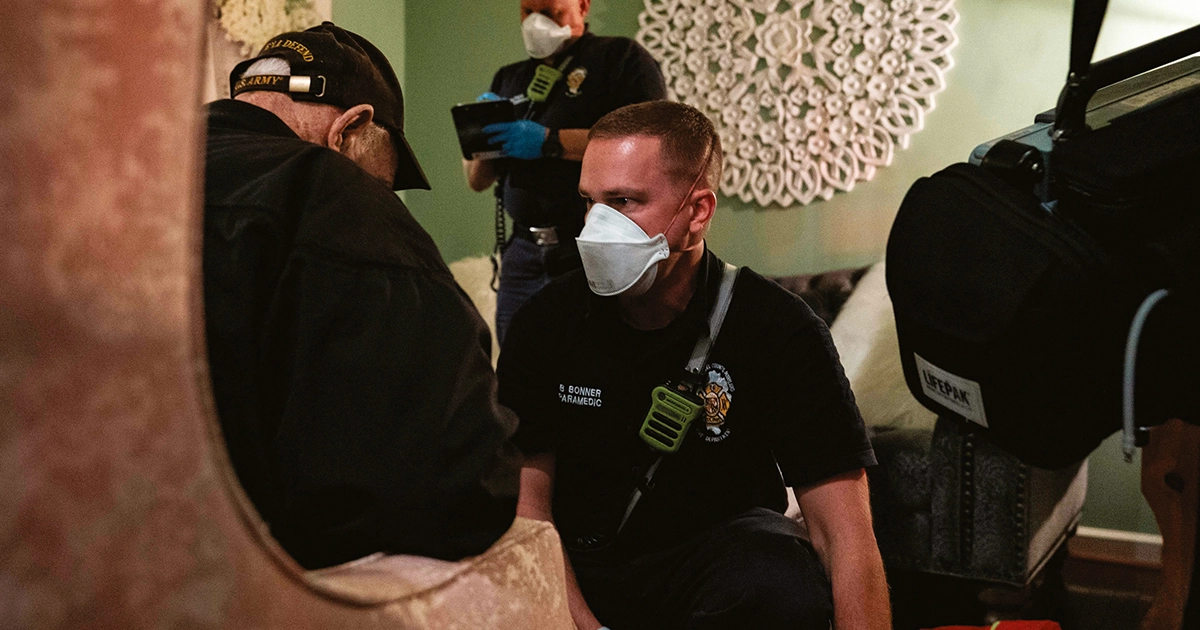
Despite how frequently mental health is a factor in EMS calls, the topic has long been treated as an afterthought in the classroom. How can educators address this disconnect and better prepare students for the realities they’ll face in the field?
-
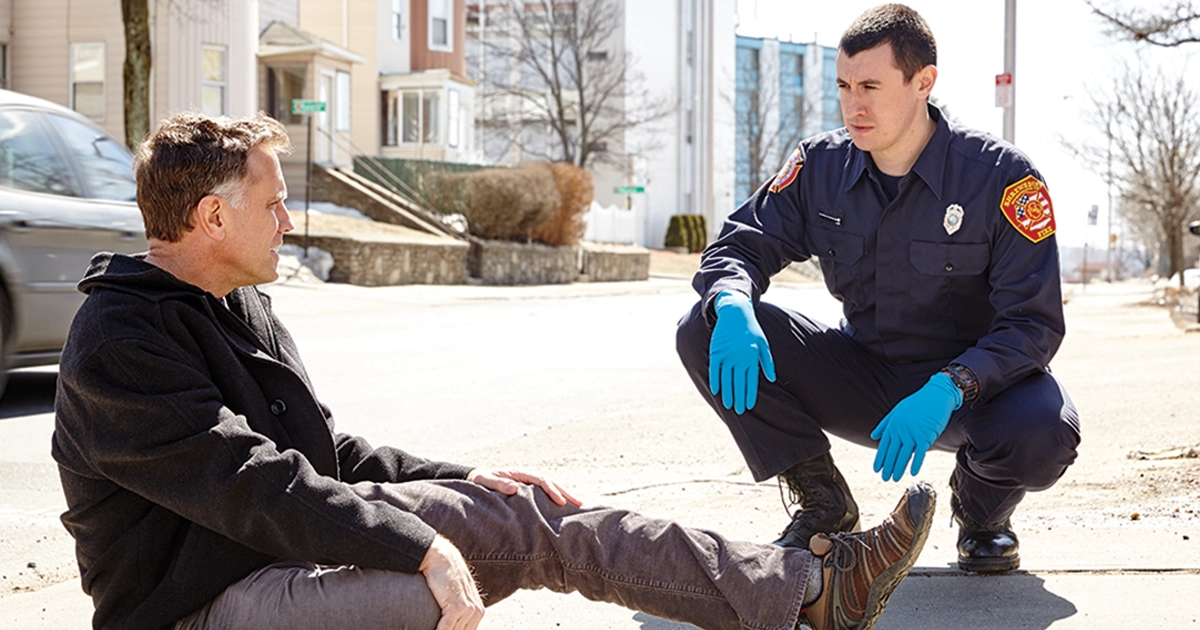
Patients understand medical information at very different levels, and EMS must be ready for all of them. Here’s how educators can teach clear, effective communication to improve patient care.
-
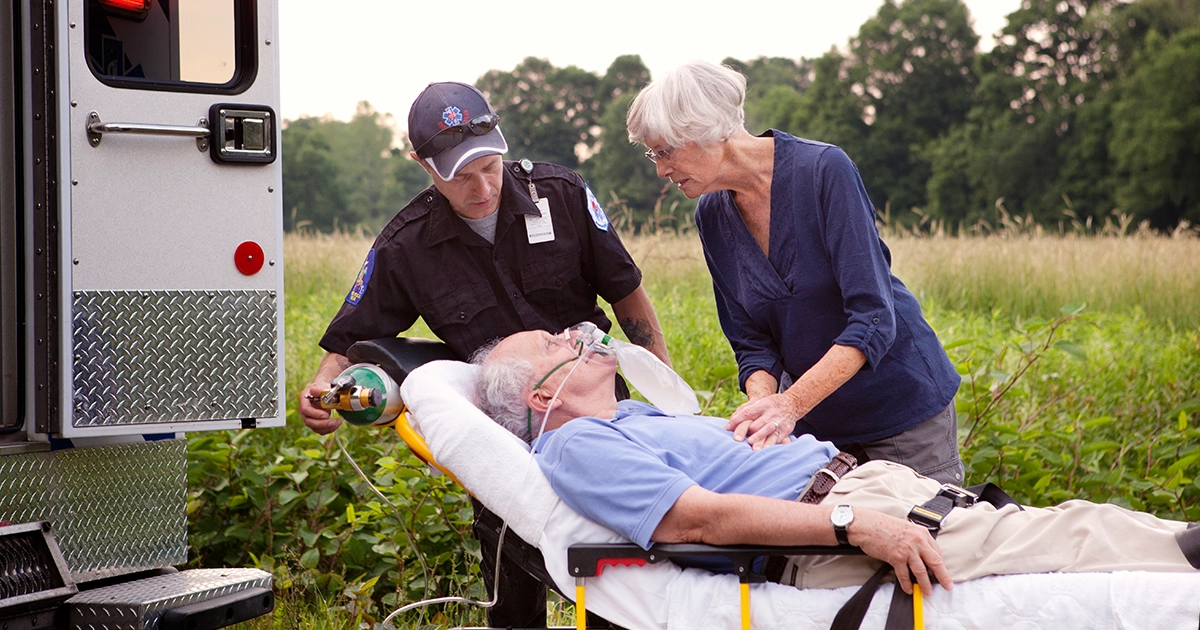
Older adults have unique health challenges that can affect emergency care outcomes. Here's what EMS needs to know to provide the best care to these patients.
-
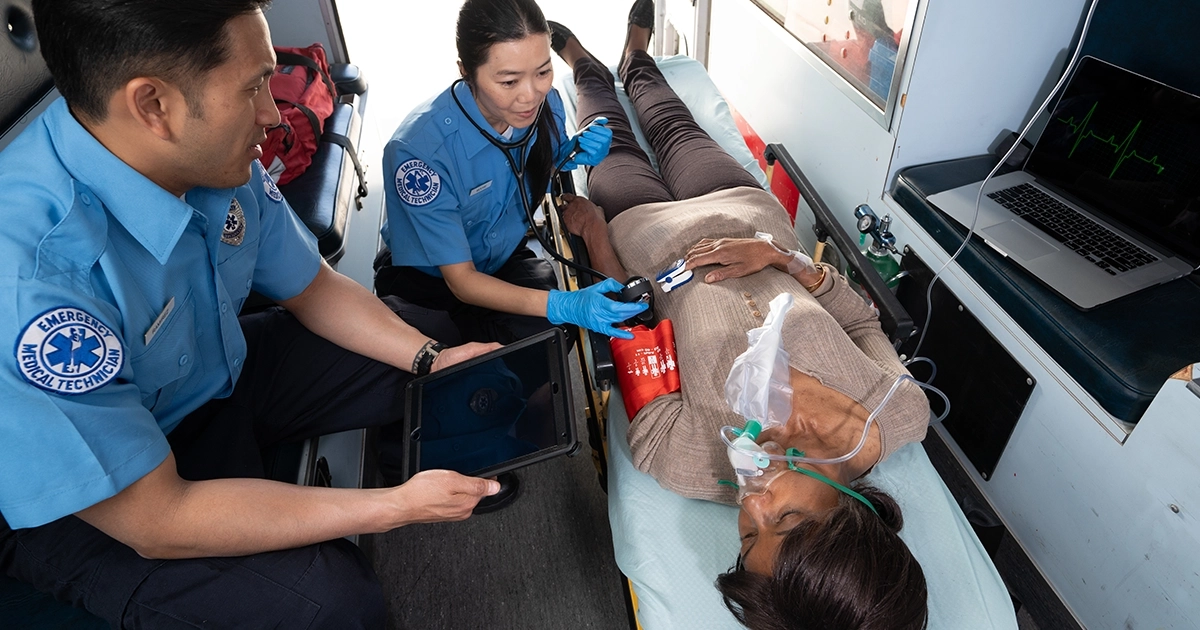
Each year, there are hundreds of preventable pregnancy-related deaths in the United States. What can EMS do to better identify and treat postpartum patients during emergency calls?
-
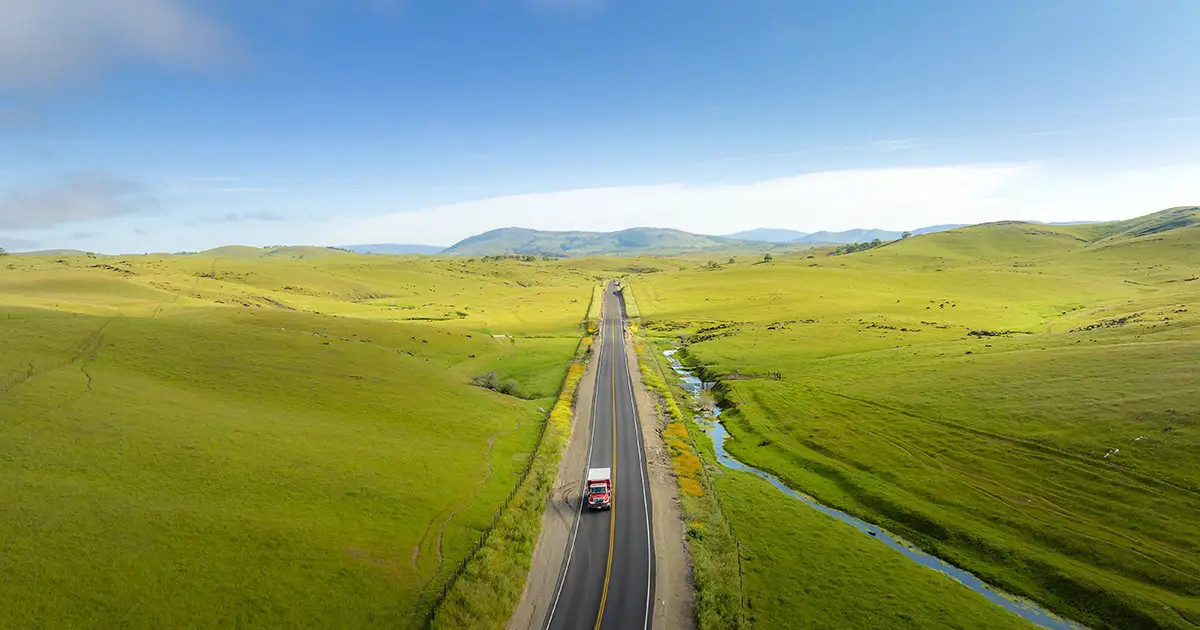
What defines a rural location? Bob Elling, MPA, discusses lessons he's learned in delivering EMS services to rural communities, and the unique challenges these areas face.