The Public Safety Group Blog


How Instructors Can Teach 9/11 to the Next Generation of First Responders
by  Public Safety Group     Sep 4, 2026
teaching-911

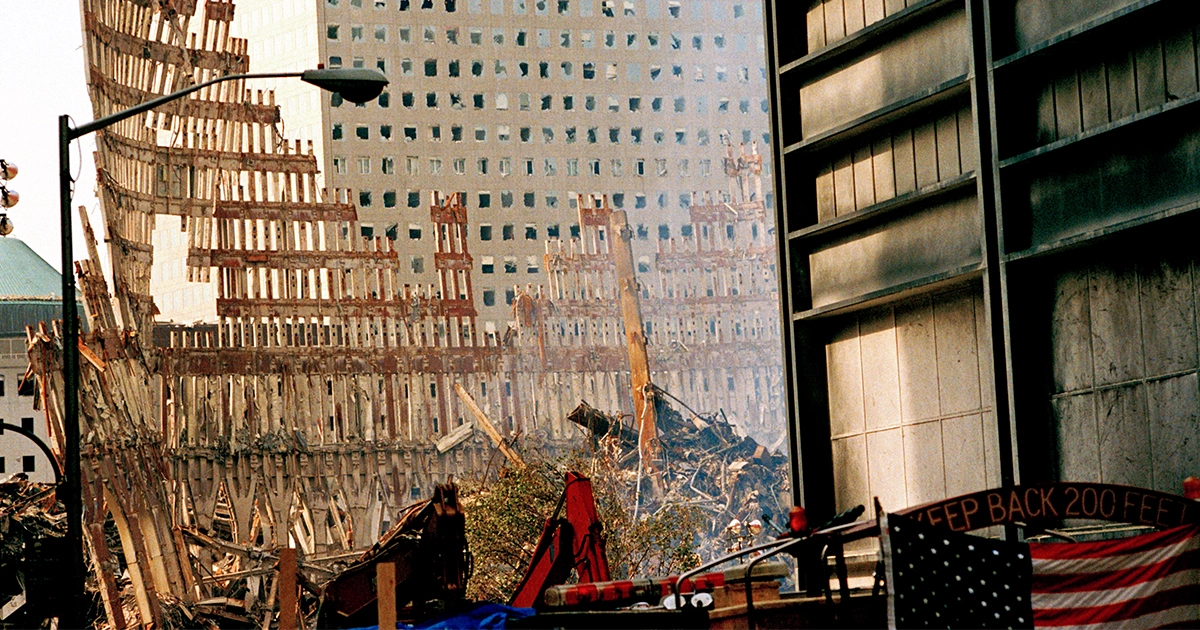
Each year, more students enter fire and EMS classrooms with no personal memory of September 11, 2001. To them, 9/11 is something they’ve learned about in school or through coverage of anniversary commemorations. The day feels like history rather than something that still shapes the work they are preparing to do. 

This puts instructors in an important position. The goal should not be to simply explain the timeline of that day. Educators should instead help future clinicians understand why 9/11 continues to influence how public safety professionals think about preparation, responsibility, and the weight of the work. Most calls may never resemble a national tragedy, but students still need to understand how quickly a call can become something far more demanding, just as they did on that day 25 years ago. 

Why 9/11 Matters in Fire and EMS Education 

The September 11 attacks remain the deadliest terrorist attacks in U.S. history. In total, 2,977 people were killed that day, including 343 FDNY firefighters and paramedics, 8 private EMTs and paramedics, and many other public safety personnel who responded to the World Trade Center, the Pentagon, and the crash site near Shanksville, Pennsylvania. 

Those numbers are more than just statistics. They represent the people and communities that were changed forever in a single morning. They also mark a defining moment in public safety history that still shapes how responders prepare for complex incidents and how agencies think about caring for their people afterward.  

Teach the Human Side of the Response 

When teaching about 9/11, it can be easy to focus solely on operations. Those lessons do matter, but students also need to understand the human reality behind the response. That is what connects history to the people who lived it and to the students who may one day be asked to make difficult decisions of their own. 

First responders moved toward danger while thousands of people were trying to get away from it. They acted in conditions that changed faster than anyone could even begin to comprehend. 

Instructors can bring that human side into the classroom in thoughtful, concrete ways. If they know a 9/11 first responder or someone connected to the response, inviting that person to speak with students can make the history feel more personal and immediate. They might also show responder-focused documentaries, oral histories, or recorded interviews that help students hear directly from the people affected by that day and its aftermath. The goal is to help students understand the people behind the response. 

Connect Remembrance to Readiness 

One of the most meaningful ways to honor those who responded on 9/11 is to prepare future responders for the incidents they hope they never face. High-consequence, low-frequency events are difficult to teach because students may not see them often in clinical or field experiences. Still, when those incidents happen, the margin for error is small. 

Instructors can use 9/11 to make large-scale response feel less abstract. The systems students study in class exist because overwhelming incidents require structure, discipline, and a shared understanding of who is responsible for what. Without that foundation, a difficult scene can become even more dangerous.  

The same is true for communication. The 9/11 response showed how critical coordination and clear information sharing can be during complex incidents. Students should leave the classroom understanding that communication should be a major priority, not just a “soft skill.” 

Discuss the Long-Term Impact on Responder Health 

The effects of 9/11 did not end when the fires were out or when rescue and recovery operations concluded. Thousands of responders and survivors have continued to live with health conditions connected to that day, and hundreds have died as a result. The World Trade Center Health Program provides medical monitoring and treatment for people affected by the attacks. Information from the Center for Disease Control (CDC) notes that the program has enrolled tens of thousands of responders and survivors and covers both physical and behavioral health conditions connected to 9/11.  

For EMS and fire instructors, this is an important place to talk about responder safety in a broader way. The conversation should not stop at what protects someone during the call. It should also address what helps responders recognize risk, document exposure, and get support before the work takes a lasting toll. 

Preserve Institutional Memory for the Next Generation 

While 25 years have passed since 9/11, the passage of time has not made the event less relevant; it has only made the responsibility to teach it even more important. 

Institutional memory helps students understand why certain standards exist. When instructors explain the history behind the expectations, students are more likely to see them as part of the profession’s responsibility to patients, crews, and communities. 

This can be especially meaningful when instructors make room for respectful reflection. The discussion does not need to be overly formal or lengthy to matter. Sometimes one carefully chosen account is enough to help students pause and think about the responsibility that comes with this work. 

Creating Practical Teaching Moments from History 

Instructors do not need to teach 9/11 as a standalone lecture for it to have value. The lessons can be woven into many parts of fire and EMS education, including:  

  • Scene Safety: Discuss how rapidly evolving hazards can change risk assessments and decision-making.

  • Incident Command: Reinforce the importance of structure, accountability, span of control, and coordination across agencies.

  • Triage and Mass Casualty Response: Connect classroom protocols to the realities of limited resources and overwhelming patient volume. 

  • Communication: Emphasize clear, concise, closed-loop communication during high-stress incidents.

  • Responder Wellness: Address both immediate safety and long-term physical and behavioral health needs.

  • Professional Ethics: Explore what duty, service, teamwork, and sacrifice mean in public safety careers. 

These conversations can help students build more than technical knowledge. They can help students develop judgment, perspective, and respect for the work they are preparing to do. 

Honoring Those Who Came Before by Preparing Those Who Come Next 

For fire and EMS instructors, teaching the legacy of 9/11 is not only a way to remember, but it is a way to prepare. It honors the people whose lives were lost, the responders who answered the call, and the lasting impact that day still has on the public safety community. 

Stay Connected

Categories

Search Blogs

Featured Posts

How Instructors Can Teach 9/11 to the Next Generation of First Responders

by  Public Safety Group     Sep 4, 2026
teaching-911

Each year, more students enter fire and EMS classrooms with no personal memory of September 11, 2001. To them, 9/11 is something they’ve learned about in school or through coverage of anniversary commemorations. The day feels like history rather than something that still shapes the work they are preparing to do. 

This puts instructors in an important position. The goal should not be to simply explain the timeline of that day. Educators should instead help future clinicians understand why 9/11 continues to influence how public safety professionals think about preparation, responsibility, and the weight of the work. Most calls may never resemble a national tragedy, but students still need to understand how quickly a call can become something far more demanding, just as they did on that day 25 years ago. 

Why 9/11 Matters in Fire and EMS Education 

The September 11 attacks remain the deadliest terrorist attacks in U.S. history. In total, 2,977 people were killed that day, including 343 FDNY firefighters and paramedics, 8 private EMTs and paramedics, and many other public safety personnel who responded to the World Trade Center, the Pentagon, and the crash site near Shanksville, Pennsylvania. 

Those numbers are more than just statistics. They represent the people and communities that were changed forever in a single morning. They also mark a defining moment in public safety history that still shapes how responders prepare for complex incidents and how agencies think about caring for their people afterward.  

Teach the Human Side of the Response 

When teaching about 9/11, it can be easy to focus solely on operations. Those lessons do matter, but students also need to understand the human reality behind the response. That is what connects history to the people who lived it and to the students who may one day be asked to make difficult decisions of their own. 

First responders moved toward danger while thousands of people were trying to get away from it. They acted in conditions that changed faster than anyone could even begin to comprehend. 

Instructors can bring that human side into the classroom in thoughtful, concrete ways. If they know a 9/11 first responder or someone connected to the response, inviting that person to speak with students can make the history feel more personal and immediate. They might also show responder-focused documentaries, oral histories, or recorded interviews that help students hear directly from the people affected by that day and its aftermath. The goal is to help students understand the people behind the response. 

Connect Remembrance to Readiness 

One of the most meaningful ways to honor those who responded on 9/11 is to prepare future responders for the incidents they hope they never face. High-consequence, low-frequency events are difficult to teach because students may not see them often in clinical or field experiences. Still, when those incidents happen, the margin for error is small. 

Instructors can use 9/11 to make large-scale response feel less abstract. The systems students study in class exist because overwhelming incidents require structure, discipline, and a shared understanding of who is responsible for what. Without that foundation, a difficult scene can become even more dangerous.  

The same is true for communication. The 9/11 response showed how critical coordination and clear information sharing can be during complex incidents. Students should leave the classroom understanding that communication should be a major priority, not just a “soft skill.” 

Discuss the Long-Term Impact on Responder Health 

The effects of 9/11 did not end when the fires were out or when rescue and recovery operations concluded. Thousands of responders and survivors have continued to live with health conditions connected to that day, and hundreds have died as a result. The World Trade Center Health Program provides medical monitoring and treatment for people affected by the attacks. Information from the Center for Disease Control (CDC) notes that the program has enrolled tens of thousands of responders and survivors and covers both physical and behavioral health conditions connected to 9/11.  

For EMS and fire instructors, this is an important place to talk about responder safety in a broader way. The conversation should not stop at what protects someone during the call. It should also address what helps responders recognize risk, document exposure, and get support before the work takes a lasting toll. 

Preserve Institutional Memory for the Next Generation 

While 25 years have passed since 9/11, the passage of time has not made the event less relevant; it has only made the responsibility to teach it even more important. 

Institutional memory helps students understand why certain standards exist. When instructors explain the history behind the expectations, students are more likely to see them as part of the profession’s responsibility to patients, crews, and communities. 

This can be especially meaningful when instructors make room for respectful reflection. The discussion does not need to be overly formal or lengthy to matter. Sometimes one carefully chosen account is enough to help students pause and think about the responsibility that comes with this work. 

Creating Practical Teaching Moments from History 

Instructors do not need to teach 9/11 as a standalone lecture for it to have value. The lessons can be woven into many parts of fire and EMS education, including:  

  • Scene Safety: Discuss how rapidly evolving hazards can change risk assessments and decision-making.

  • Incident Command: Reinforce the importance of structure, accountability, span of control, and coordination across agencies.

  • Triage and Mass Casualty Response: Connect classroom protocols to the realities of limited resources and overwhelming patient volume. 

  • Communication: Emphasize clear, concise, closed-loop communication during high-stress incidents.

  • Responder Wellness: Address both immediate safety and long-term physical and behavioral health needs.

  • Professional Ethics: Explore what duty, service, teamwork, and sacrifice mean in public safety careers. 

These conversations can help students build more than technical knowledge. They can help students develop judgment, perspective, and respect for the work they are preparing to do. 

Honoring Those Who Came Before by Preparing Those Who Come Next 

For fire and EMS instructors, teaching the legacy of 9/11 is not only a way to remember, but it is a way to prepare. It honors the people whose lives were lost, the responders who answered the call, and the lasting impact that day still has on the public safety community. 

Tags