The Importance of Peer Support When Training First Responders
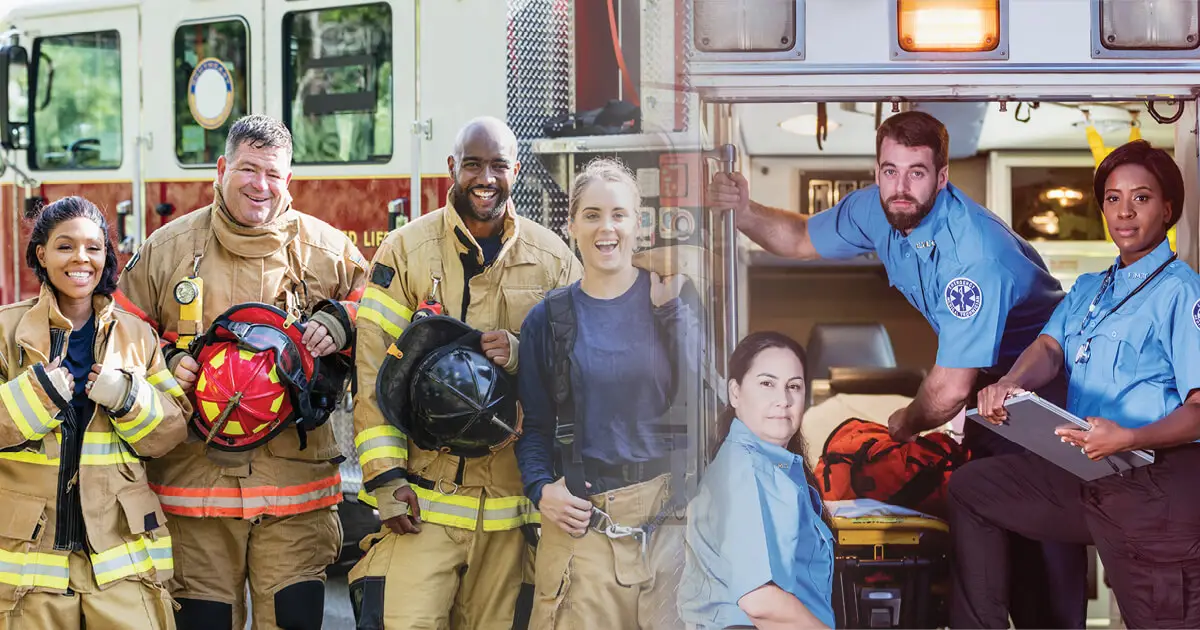
When a call comes in, first responders rely on each other just as much as they rely on their training. In high-stakes moments where seconds matter and stress runs high, peer support can be the difference between simply getting through a shift and building the resilience to stay in the work for the long haul.
The most effective training doesn’t end with protocols and practical skills; it also teaches how to recognize strain, start hard conversations, and create a culture where asking for help is a strength.
The Role of First Responders in the United States
First response calls are considered “low-frequency, high-intensity” events. These events can leave lasting impacts on first responders to a scene. Often, they’ll experience anxiety, post-traumatic stress and other negative mental health consequences from taking part in an active scene.
The National Fire Protection Association estimates that there are 1,018,100 either career or volunteer firefighters in the United States.
The United States Bureau of Labor Statistics reports that there were 282,900 full-time Emergency Management Services (EMS) workers as of 2026, including paramedics and emergency medical technicians.
According to the National Law Enforcement Officers Memorial Fund, there are more than 750,000 law enforcement officers in the United States as of 2026.
From 2015 to 2026, there have been 931 firefighter deaths in the line of duty, according to FEMA.
Why Support from Peers is Key to Training First Responders
A 2022 article in the FBI Law Enforcement Bulletin Peer, “First Responder Peer Support Programs,” authored by a team of psychologists, discusses the “overwhelming need to manage the mental health and psychological well-being of emergency service workers, including police officers, firefighters, emergency medical technicians, correctional officers, and dispatchers.”
Support programs and training materials such as the above-mentioned course help reduce the stigma of mental health issues and help normalize and provide a pathway for peers to support each other as they experience stressors and trauma in their daily work.
According to the Substance Abuse and Mental Health Services Administration, “Peer support can help responders cope, lower stigma, and build team cohesion. Responders understand stressors their peers face as others may not. Peers can model healthy behaviors and share information about sources of support.”
Emergency Medical Responder: Your First Response in Emergency Care, Eighth Edition
Realistic supplements, such as case studies, words of wisdom, and voices of experience, help provide an in-depth understanding of the content and serve as a foundation of knowledge for first-time students. The Eighth Edition includes more mental health resources than ever, including interactive simulations, wellness resources, and crisis prevention and support resources..
Request More Information